
Have you ever stood in front of your closet wondering why some clothes just don’t look right on you? Choosing clothes that truly fit your body type can change how you feel and boost your confidence instantly.
When your clothes match your shape, you not only look great but also feel comfortable and stylish all day long. You’ll discover simple tips to find the perfect fit for your unique body. Keep reading, and you’ll learn how to dress in a way that highlights your best features and makes every outfit work for you.
Identify Your Body Shape

Knowing your body shape is the first step to choosing clothes that fit well. Clothes look better when they match your body’s natural lines. This helps you feel confident and comfortable in your outfit. Start by learning about different body types and how to measure yourself. This will guide your shopping and style choices.
Common Body Types
Body shapes come in several common types. These include apple, pear, hourglass, rectangle, and inverted triangle. Each shape has unique features. Apple shapes carry weight around the middle. Pear shapes have wider hips. Hourglass shapes have balanced bust and hips with a narrow waist. Rectangle shapes are more straight up and down. Inverted triangle shapes have broad shoulders and narrow hips. Knowing your type helps pick clothes that flatter your figure.
Measuring Yourself Accurately
Use a soft measuring tape for best results. Measure your bust at the fullest part. Measure your waist at the narrowest point. Measure your hips at the widest part. Stand straight and keep the tape snug but not tight. Write down each measurement. These numbers help find clothes that fit your shape and size. Accurate measurements prevent buying clothes that are too loose or tight.
Recognizing Your Unique Features
Not everyone fits perfectly into one category. Your body may have a mix of features. Look at your shoulders, waist, and hips carefully. Notice if some parts are larger or smaller than others. Think about your height and body proportions too. These details affect how clothes look on you. Choose styles that highlight your best features. This makes your outfit look natural and flattering.
Flattering Fits For Each Body Type
Choosing clothes that fit your body type helps you look and feel your best. Every body shape has styles that highlight its natural beauty. Knowing which fits flatter your shape can make shopping easier and more fun. The right clothes boost confidence and comfort.
Below are simple tips to dress well for five common body types.
Styles For Hourglass Figures
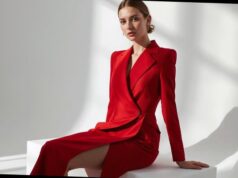
Hourglass bodies have balanced shoulders and hips with a narrow waist. Clothes that hug the waist show off curves nicely. Fitted dresses and wrap tops work well. High-waisted pants and pencil skirts highlight the shape. Avoid loose, shapeless clothes that hide your curves.
Clothing Tips For Pear Shapes
Pear shapes have wider hips and smaller shoulders. Tops with details or bright colors draw attention upward. A-line skirts and bootcut pants balance hips. Avoid tight bottoms and clingy fabrics. Structured jackets add shape to the upper body.
Dressing Rectangular Bodies
Rectangular bodies have similar widths at shoulders, waist, and hips. Clothes that create curves add interest. Peplum tops and belted dresses work well. Layering and ruffles add volume. Avoid boxy or straight cuts that hide your waist.
Outfits For Apple Shapes
Apple shapes carry weight around the midsection. V-neck tops elongate the neck and draw the eye up. Empire waist dresses flow over the stomach. Darker colors on top slim the torso. Avoid clingy fabrics and low-rise pants.
Guidance For Inverted Triangle Shapes
Inverted triangle shapes have broad shoulders and narrow hips. Simple tops with minimal details reduce shoulder width. Flared skirts and wide-leg pants add balance below. V-necklines soften the upper body. Avoid shoulder pads and puff sleeves.
Choosing Fabrics And Patterns
Choosing the right fabrics and patterns helps clothes fit better and look great. The right material can hug your body in the right places. Patterns and colors can create balance and highlight your best features. This section explains how to pick fabrics and patterns for your body type.
Materials That Enhance Fit
Soft fabrics like cotton and jersey stretch with your body. They give comfort and shape without being tight. Stiffer fabrics such as denim or canvas add structure and hold their shape. They work well for boxy or straight body types. Lightweight fabrics like silk and chiffon flow nicely and suit curvy shapes. Avoid heavy or thick fabrics if you want a slimming effect.
Using Patterns To Balance Proportions
Vertical stripes make you look taller and slimmer. Horizontal stripes add width, which balances narrow hips or shoulders. Small patterns work well for petite frames. Large patterns suit taller or fuller figures. Placement matters. Patterns near your waist can highlight your narrowest point. Avoid busy patterns if you want a simple, clean look.
Colors That Complement Your Shape
Dark colors slim down areas you want to hide. Light colors draw attention to parts you want to show off. Monochrome outfits create a long, lean line. Color blocking can add curves or shape. Choose colors that make you feel confident and comfortable. Bright colors work well for bold features. Neutral tones suit softer body shapes.
Essential Wardrobe Pieces
Choosing essential wardrobe pieces helps build a versatile closet. These basics suit your body shape and style. They create a foundation for many outfits. Each piece should fit well and feel comfortable. Focus on quality over quantity for lasting wear.
Must-have Tops And Blouses
Pick tops that highlight your best features. For example, fitted blouses work well on smaller frames. Loose, flowy tops suit pear-shaped bodies by balancing proportions. Necklines matter: V-necks elongate the neck and slim the torso. Avoid overly tight or baggy tops that hide your shape.
Flattering Bottoms
Choose pants and skirts that fit your hips and waist. Straight-leg pants balance wider hips nicely. High-waisted styles accentuate the waist and lengthen legs. A-line skirts flatter many body types by creating a smooth silhouette. Avoid bottoms that pinch or add bulk around the midsection.
Dresses That Work
Go for dresses that follow your natural curves. Wrap dresses suit hourglass shapes by defining the waist. Shift dresses fit straight figures with a relaxed look. Empire waists lift the bust and hide the tummy area. Choose fabrics that drape softly without clinging too much.
Outerwear And Layers
Outerwear should add shape, not bulk. Tailored jackets enhance the shoulders and waist. Long cardigans lengthen the torso for shorter frames. Avoid boxy coats that hide curves. Layer with lightweight pieces to keep the look balanced and comfortable.
Tailoring And Alterations
Tailoring and alterations help clothes fit your body perfectly. Off-the-rack clothes rarely match every curve and angle. A small change can make a big difference in comfort and style. Customizing your clothes lets you look sharp and feel confident.
When To Tailor Your Clothes
Clothes need tailoring when they feel too loose or too tight. Sleeves that cover your hands or pants that drag on the floor need fixing. Shoulder seams that do not line up with your shoulders are a sign. Clothes that bunch up or hang awkwardly also need changes.
Key Alterations For Better Fit
Shortening or lengthening sleeves and pant legs is common. Taking in or letting out the waist shapes your clothes better. Adjusting the shoulder width improves the overall look. Fixing hems and collars helps clothes sit right on your body.
Finding A Good Tailor
Choose a tailor with good reviews and clear communication. Look for experience with different types of clothing. Ask for examples of their past work. A good tailor listens to your needs and offers honest advice.
Accessorizing To Enhance Your Shape
Accessorizing can change how your clothes look on you. The right accessories highlight your best features. They can balance your body shape and add style. Small details like belts, jewelry, and shoes make a big difference. Choose accessories that fit your body type and personal style.
Belts And Waist Definition
Belts create a clear waistline. They work well on dresses and tops. For hourglass shapes, slim belts show curves. For rectangular shapes, wider belts add shape. High-waisted belts lift your waist and add height. Avoid belts that cut your body in half. Choose colors that match or contrast your outfit.
Jewelry And Necklines
Necklaces draw attention to your face and neck. Short necklaces suit round necklines. Long necklaces add length to your torso. For pear shapes, statement necklaces balance shoulders. For apple shapes, avoid heavy necklaces that add bulk. Earrings frame your face. Choose styles that match your face shape and hairstyle.
Footwear Choices
Shoes affect your posture and overall look. Heels add height and elongate legs. Pointed toes make legs appear longer. Flats suit casual and comfortable styles. For pear shapes, shoes with details draw attention downward. For apple shapes, simple shoes keep the focus upward. Match shoe colors with your outfit for a polished look.
Seasonal Style Adjustments
Seasonal style adjustments help keep your wardrobe fresh and comfortable. Clothes that fit your body well can feel different in warm or cold weather. Changing your style with the seasons means choosing the right fits and fabrics. This keeps you looking good and feeling great all year.
Adapting Fits For Warm Weather
Choose clothes that allow air to flow freely. Loose or relaxed fits work best in heat. Avoid tight clothes that trap sweat and cause discomfort. Opt for shorter sleeves and lighter cuts. These help keep your body cool and comfortable.
Layering In Cooler Months
Layering adds warmth without bulk. Start with thin, close-fitting pieces next to your skin. Add thicker layers on top for insulation. Use jackets, cardigans, or scarves that fit well over your base layers. This lets you adjust your outfit as temperatures change.
Fabric Choices Across Seasons
Select fabrics that match the season’s needs. Cotton and linen breathe well in summer. Wool and fleece trap heat in winter. Avoid heavy fabrics in warm months to prevent overheating. Choose soft, stretchy fabrics for comfort and better fit year-round.
Frequently Asked Questions
How Do I Find My Body Shape For Better Clothing Fit?
Stand in front of a mirror and observe your shoulders, waist, and hips. Compare these to common body shapes like pear, apple, or hourglass. This helps pick clothes that suit your shape best.
What Clothes Highlight An Hourglass Figure Effectively?
Fitted tops and high-waisted pants emphasize the waist nicely. Wrap dresses also enhance curves well. Choose items that balance your upper and lower body.
Which Fabrics Work Best For Apple-shaped Bodies?
Soft, flowing fabrics like cotton and jersey drape well around the midsection. Avoid stiff materials that add bulk. Lightweight fabrics keep the look smooth and comfortable.
How Can I Make My Pear Shape Look Balanced?
Wear brighter colors and patterns on top to draw attention upwards. Darker colors on the bottom create a slimming effect. Structured jackets also add shape to the shoulders.
Conclusion
Choosing clothes that fit your body type helps you feel confident every day. Focus on shapes that highlight your best features. Remember, comfort matters as much as style. Try different styles to see what suits you best. Clothes that fit well make you look polished and put-together.
Keep these tips in mind when shopping next time. Dress for yourself, not just trends. Your body deserves clothes that make you shine. Simple changes can make a big difference in your look. Feel good, look good, and enjoy your style journey.