


Television shows are produced through collaborative planning, scripted writing, filming, post-production, and distribution.
I have worked in television production for years and have guided projects from script to screen. This article explains how television shows are produced behind the scenes with clear, practical detail. You will learn each stage, key roles, common challenges, and practical tips that come from real on-set experience. Read on to gain a solid, usable understanding of how television shows are produced behind the scenes and what it takes to bring a show to life.

Overview of the production process
Producing a television show is a series of planned phases. Each phase builds on the previous one. The main stages are development, pre-production, production, post-production, and distribution. Teams and specialists collaborate at every step to meet creative and business goals.
Key phases at a glance:
- Development: idea, scripts, and show bible.
- Pre-production: casting, location scouting, budgeting, and scheduling.
- Production: principal photography and daily shoots.
- Post-production: editing, effects, sound, and final deliverables.
- Distribution: marketing, sales, and release platforms.
How television shows are produced behind the scenes depends on budget, format, and distribution model. Smaller shows move faster. Larger productions add layers of approval and oversight. Understanding the full flow helps creators plan realistically.

Development and pre-production
Development begins with a concept. Writers and showrunners write outlines and scripts. Producers create a show bible and pitch materials. Networks or streamers may commission a pilot or a season.
Pre-production turns ideas into plans. Tasks include:
- Finalizing scripts and episode breakdowns.
- Budgeting and financing.
- Hiring cast and key crew.
- Casting directors hold auditions and negotiate talent deals.
- Scouting locations and securing permits.
- Creating shooting schedules and call sheets.
Budgeting in pre-production determines scale. As a producer, I learned to build contingency funds. A 10 percent contingency is common in TV. Clear communication at this stage reduces costly changes later.

Production: principal photography
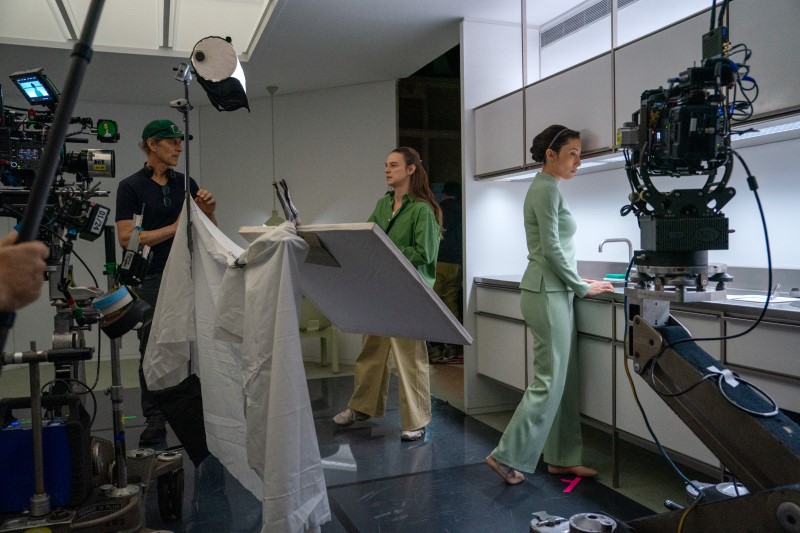
Production is the physical making of the show. This phase records the performances and footage that form the show. Days are organized by shooting schedules. Each day is run by the assistant director and production manager.
Core on-set roles:
- Showrunner: oversees creative vision.
- Director: manages scene execution.
- Producer: handles logistics and budget adherence.
- Cinematographer: shapes camera look and lighting.
- Production designer: crafts sets, props, and visual style.
- Script supervisor: maintains continuity.
- Sound mixer: captures clean audio.
- Gaffer and grip team: control lighting and rigging.
Camera setups vary. Single-camera shows shoot like films with more setups. Multi-camera shows film in sequence and often in front of a live audience. Time on set is expensive, so efficient blocking and quick resets are vital.
How television shows are produced behind the scenes during production is a dance of coordination. On one project, I recall turning a tight night shoot into a success by shifting crew positions and simplifying lighting. Small choices like that keep the day on budget.

Post-production
Post-production assembles and polishes the show. Editors build rough cuts. Directors and showrunners collaborate to refine the pace and story. Post tasks include editing, color grading, visual effects, and sound design.
Typical post pipeline:
- Offline edit: assemble scenes and story.
- Online conform: finalize picture quality and resolution.
- Visual effects: add CGI or clean shots.
- Sound editing and mixing: clean, mix, and master dialogue and effects.
- Music scoring and licensing: original score or cleared tracks.
- Color grading: final look and tone.
- Deliverables: create masters and formats for broadcast or streaming.
How television shows are produced behind the scenes in post requires strong version control. Labeling cuts and using clear notes saves time. I’ve seen shows lose days because of missing references, so consistent naming and backup are essential.
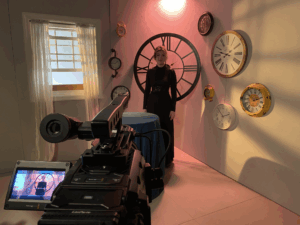
Distribution, marketing, and release
Distribution sells the show to networks or platforms. Marketing builds an audience before release. Strategies vary by platform and budget.
Distribution and marketing activities:
- Sales pitches to networks and streamers.
- Festival screenings and market events.
- Trailers, posters, and social media campaigns.
- Press kits and interviews.
- Scheduling release windows for episodes or full seasons.
How television shows are produced behind the scenes with distribution in mind affects creative decisions. Episode length, act breaks, and ad-friendly structures often reflect the platform’s needs. I advise creators to know their target platform early to guide creative choices.
Budgeting, legal, and union considerations
Budgets shape what is possible. Legal and union rules protect talent and crew. Contracts cover rights, compensation, and credits.
Important financial and legal items:
- Rights clearances for scripts, music, and locations.
- Union rules from guilds like the writers’ guild and actors’ unions.
- Insurance policies for cast, crew, and equipment.
- Residuals and backend deals for creators and talent.
- Tax incentives and rebates depending on filming location.
How television shows are produced behind the scenes must follow legal frameworks. Overlooking rights or union rules can delay release and add costs. Early legal review avoids surprises.

Common challenges and practical solutions
Producing TV is complex. Problems arise in scheduling, weather, talent availability, and technical issues. Anticipation and flexibility help.
Common issues and fixes:
- Weather delays: build buffer days into the schedule.
- Talent conflicts: have backup options or flexible shooting orders.
- Technical failures: keep backup equipment and technicians on call.
- Budget overruns: track daily expenses and prioritize must-have scenes.
- Creative disagreements: keep showrunner final approval and document changes.
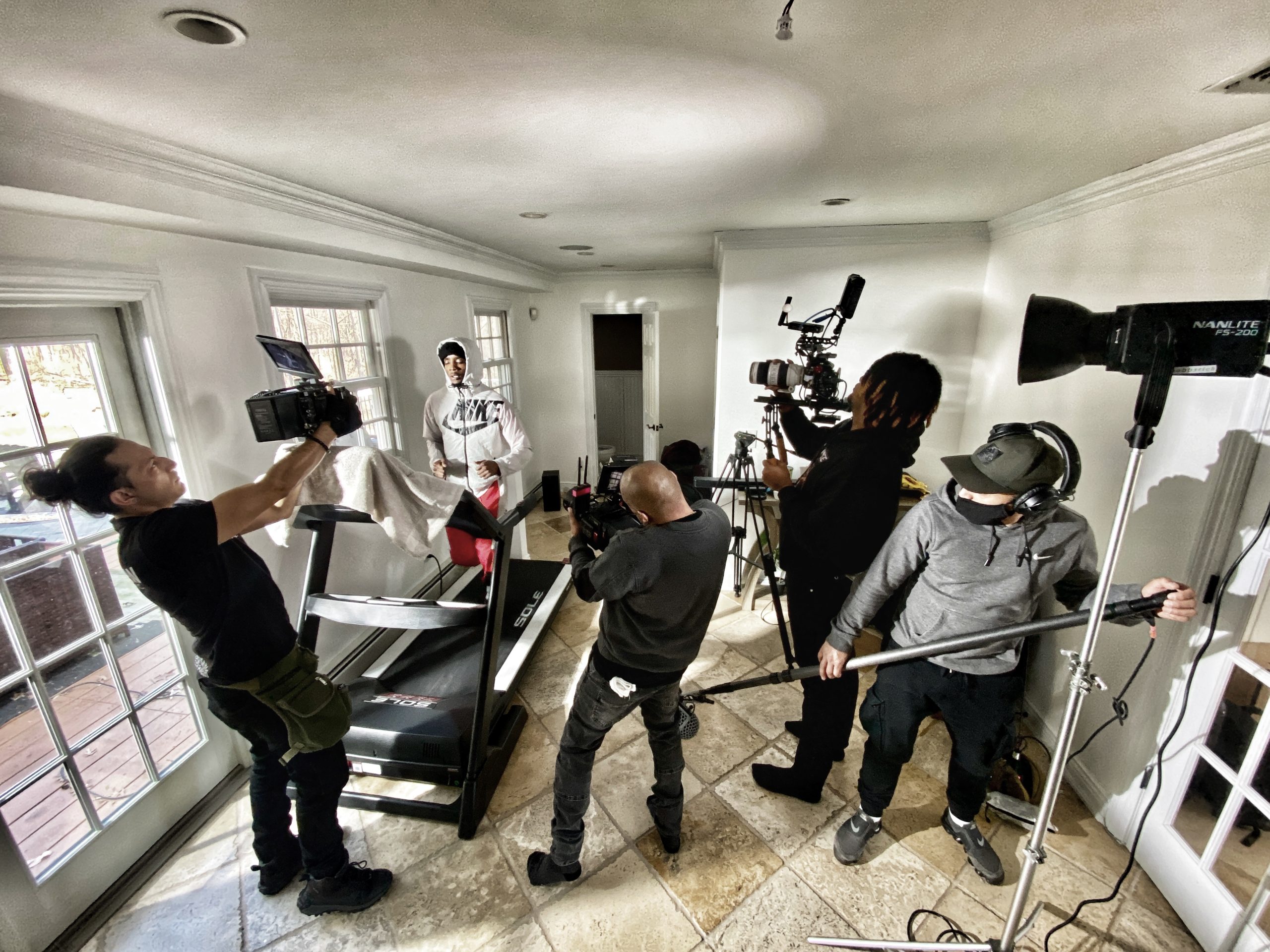
How television shows are produced behind the scenes requires calm problem-solving. I once rerouted a shoot when rain hit an exterior day. The team shifted to interior sets and reworked scenes to keep momentum. That saved time and morale.
Personal insights and practical tips
I have overseen multiple TV shoots. My lessons are simple and practical. Plan early, communicate often, and respect the craft of every team member.
Actionable tips:
- Keep a clear schedule and stick to call times.
- Build strong relationships with department heads for smoother decisions.
- Use a shared online production document for updates and versions.
- Prioritize sound and lighting; they save hours in post.
- Run a tech rehearsal for complex scenes.
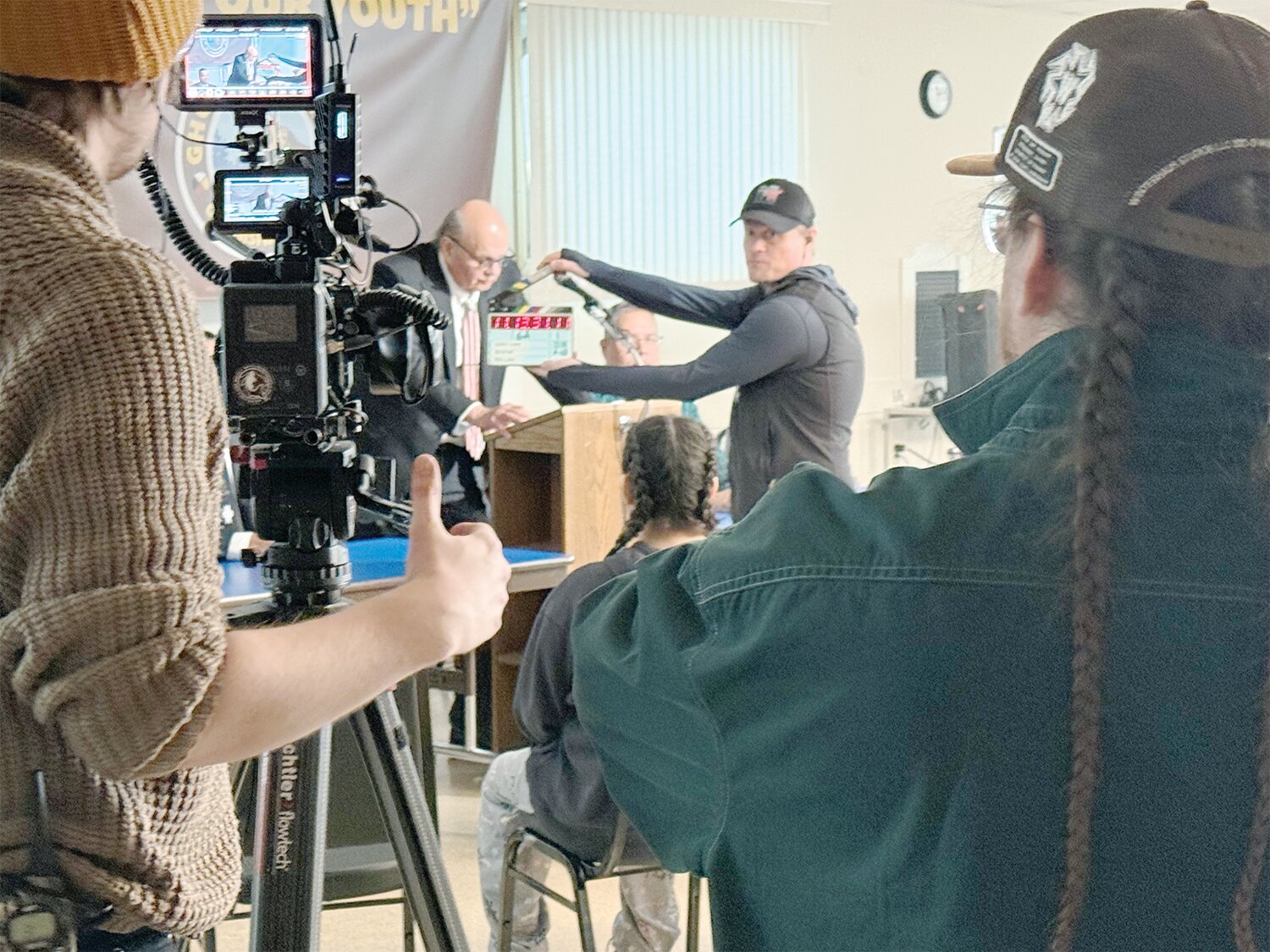
How television shows are produced behind the scenes is a team effort. My best advice is to listen on set, take notes, and learn from each shoot. Mistakes become valuable lessons when you document them.
Frequently Asked Questions of How Television Shows Are Produced Behind The Scenes
What is the first step in producing a television show?
The first step is development, where creators write a concept, create a show bible, and draft scripts. Producers then pitch this package to networks or financiers for approval.
How long does it take to produce a season of TV?
Timelines vary widely. A single-camera drama can take several months to a year from development to release, while a half-hour multi-camera sitcom may turn around faster.
Who is responsible for the show’s creative direction?
The showrunner holds primary creative responsibility and coordinates writers, directors, and producers to maintain the vision. They make final decisions on narrative and tone.
How are budgets controlled during production?
Producers and production accountants track daily expenses, adjust priorities, and implement contingencies to keep the project on budget. Transparent reporting prevents surprises.
What role does post-production play in the final show?
Post-production refines story, sound, and visuals through editing, effects, and mixing. It shapes pacing and tone and produces final masters for distribution.
Can small teams produce high-quality television?
Yes. Small teams can produce excellent TV with clear planning, strong scripts, and focused production values. Creativity and careful prioritization make a big difference.
Conclusion
Producing a television show behind the scenes blends creativity, management, and technical skill. From development and casting to post-production and distribution, every phase requires coordination and clear communication. Apply the practical tips above: plan carefully, respect each department, and keep a contingency mindset. If you are creating or supporting a show, start small, document lessons, and build strong team relationships. Share your experiences or questions below, subscribe for more production insights, or explore further resources to deepen your craft.