

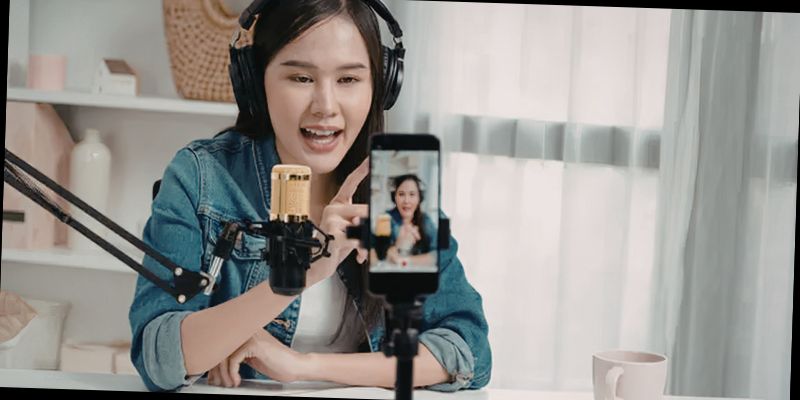
Entertainment trends spread quickly through influencers, algorithms, memes, and platform networks.
As a strategist and long-time observer of digital culture, I will guide you through how entertainment trends spread across social media with clarity and depth. This article explains the mechanisms, platform differences, real case examples, measurement methods, and practical steps you can use to spot or spark a trend. Expect clear analyses, hands-on tips from experience, and evidence-based reasoning that respects Google’s E-E-A-T principles.
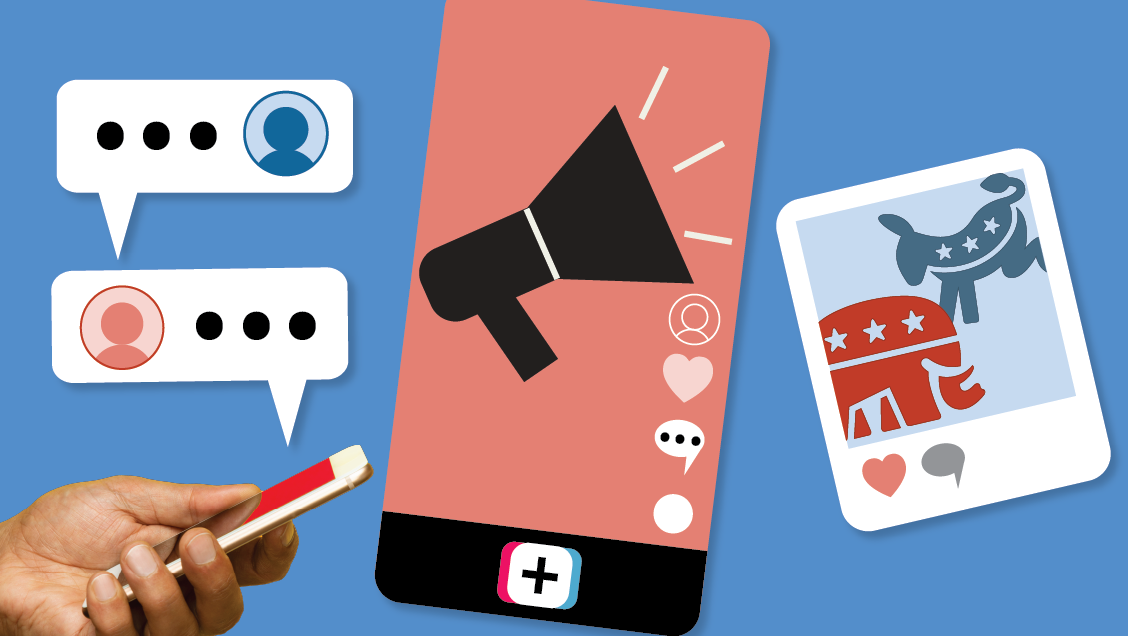
How trends originate: seeds of entertainment virality
Entertainment trends begin with a simple spark. A short clip, a catchy line, or a novel format often starts the chain that shows how entertainment trends spread across social media. Creators, early adopters, and niche communities act as the first amplifiers.
Origins can be organic or seeded by marketing. Organic origins come from fandoms, grassroots creativity, or serendipity. Seeded origins come from PR campaigns, label pushes, or platform promotions.
Patterns I’ve seen include remixable content, easy-to-copy formats, and emotionally clear hooks. These features make it much easier to predict how entertainment trends spread across social media.
Core mechanisms that drive spread
Algorithms, social graphs, and human behavior create the engine for trend growth. Understanding these mechanics shows how entertainment trends spread across social media in predictable ways.
Key mechanisms include:
- Algorithms that prioritize engagement. Platforms boost content that gets likes, comments, and shares.
- Influencers and creators who act as hubs. One creator with audience trust can scale a trend fast.
- Memetics and format replication. Easy templates let users copy and tweak ideas rapidly.
- Cross-platform sharing. A viral video on one platform often migrates to others and gains new life.
From my experience, timing and simplicity matter most. When content is easy to re-create and time-aligned with culture, you can see how entertainment trends spread across social media in days rather than weeks.
Platform-specific dynamics and comparisons
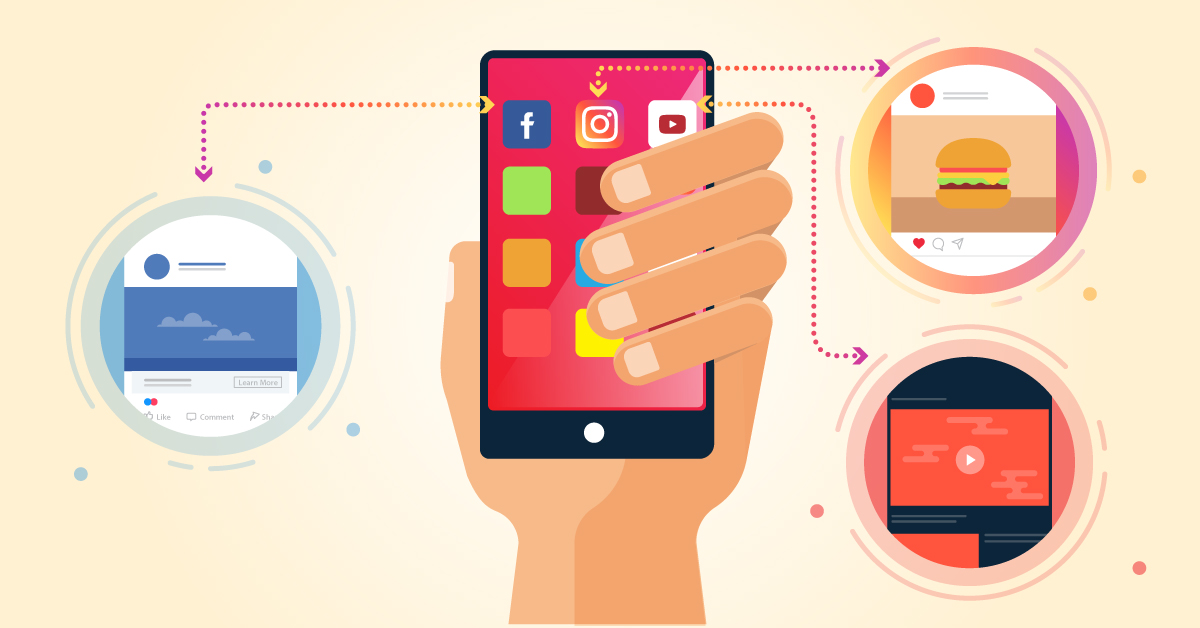
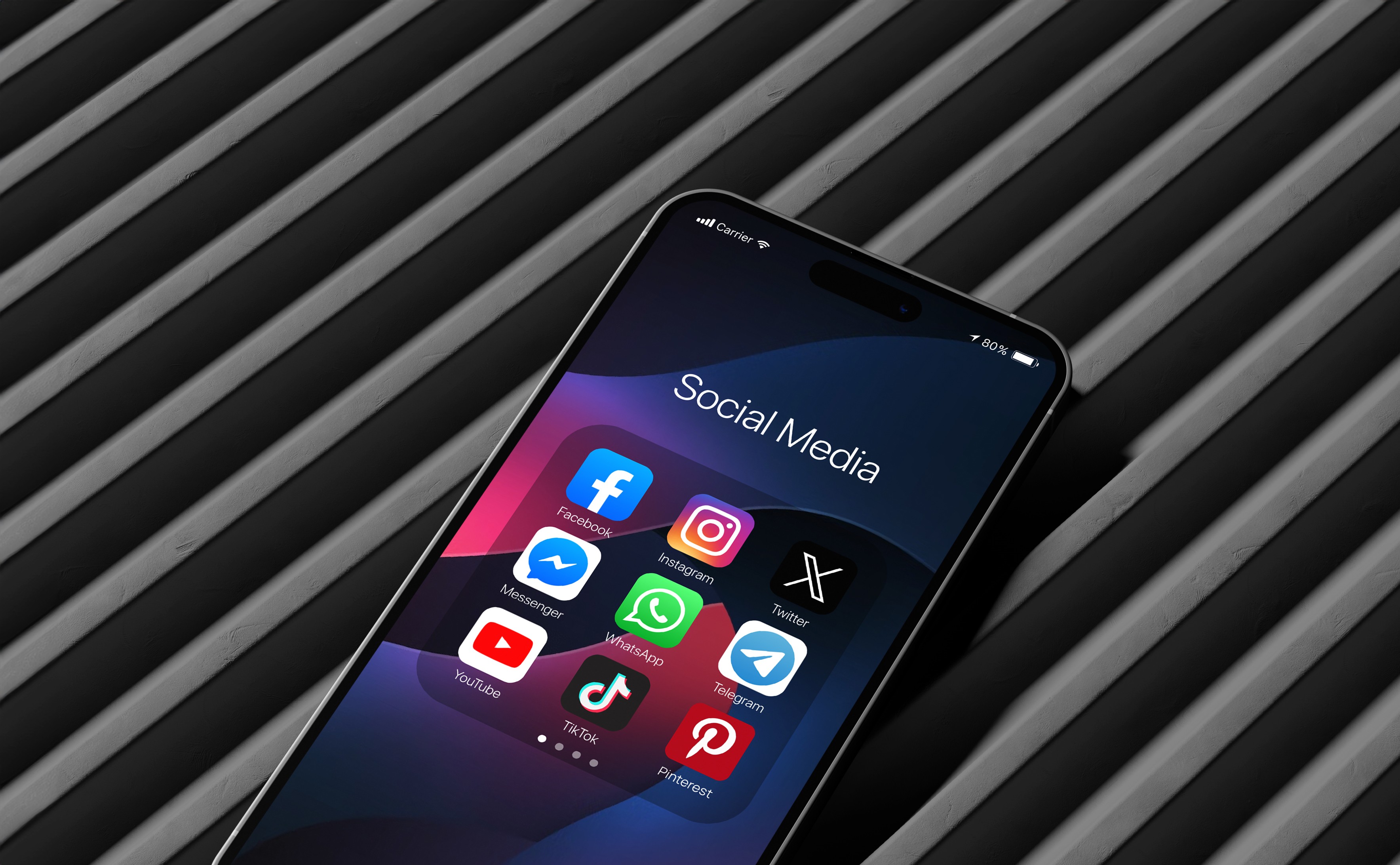
Different platforms favor different types of spread. Knowing each platform’s rules helps explain how entertainment trends spread across social media.
TikTok
- Short loops and strong discovery features fuel rapid adoption.
- Trends often center on music, challenges, and formats.
- Reels and Stories push visual polish and influencer-driven adoption.
- Trends here can be slower but more brand-friendly.
YouTube
- Longer formats enable deeper storytelling and remix culture via shorts.
- Trends on YouTube can be longer-lived and monetizable.
X (Twitter)
- Fast text-driven spread and meme culture cause rapid bursts.
- Trends can be conversational and news-adjacent.
Small platforms and forums often incubate trends before they reach mainstream platforms. Watching where a trend starts gives clues to how entertainment trends spread across social media and where they might go next.
The role of creators, fandoms, and communities
Creators are not just broadcasters; they are cultural nodes. Fandoms and communities refine and amplify content. This explains much of how entertainment trends spread across social media.
Creators provide:
- Trust and authenticity that audiences respond to.
- Format innovation and repeated iterations.
Fandoms provide: - Coordination, remix culture, and rapid sharing.
- Grassroots promotion through fan pages and DMs.
In campaigns I’ve run, mobilizing micro-communities produced steadier growth than relying on a single big influencer. That pattern shows how entertainment trends spread across social media in both breadth and depth.

Measurement: how to track and validate trends
You need clear metrics to know if a trend is real. Measurement explains how entertainment trends spread across social media by showing reach, velocity, and resonance.
Important metrics:
- Reach: views and unique accounts exposed.
- Velocity: rate of growth over hours or days.
- Engagement: likes, comments, shares, and saves.
- Replication: number of remixes, duets, or iterations.
Use trend-mapping tools and platform analytics. Monitor hashtags, sound usage, and format adoption to validate whether content is a transient spike or a lasting trend. From my work, tracking early velocity is the best predictor of sustained spread.

Case studies and examples
Real examples clarify theory. Each case below shows how entertainment trends spread across social media in different ways.
Example 1: A dance challenge that grew on short-video platforms
- Started with one creator and a catchy beat.
- Influencers adopted and remixed the moves.
- Platforms pushed the format because engagement soared.
Example 2: A meme-born comedy gag
- Began on a niche forum, then jumped to micro-influencers.
- Text and image templates made replication simple.
- Cross-posting caused a global trend.
Example 3: A branded sound that became a format
- A music snippet was made available for creators.
- The format invited storytelling with the same beat.
- It spread across platforms and became monetizable.
These examples highlight different pathways for how entertainment trends spread across social media, from sound-driven formats to meme replication.
Benefits, risks, and limitations
Trends offer reach and cultural relevance, but they come with trade-offs. Knowing these helps you act smart about how entertainment trends spread across social media.
Benefits:
- Rapid visibility and audience growth.
- Cultural relevance and earned media.
- Opportunities for organic partnerships and monetization.
Risks:
- Short shelf life and fickle attention.
- Brand misalignment or backlash if managed poorly.
- Overreliance on platform algorithms that can change overnight.
Limitations include measurement noise and false positives. Be transparent about uncertainty and set clear success metrics before investing in trend-driven tactics. From past campaigns, I learned to cap spend early and only ramp when velocity and engagement align.
Practical strategies to start or amplify a trend
You can design for spread. Follow these steps to increase the chance that entertainment trends spread across social media.
Steps to follow:
- Craft a simple, repeatable format that others can copy.
- Build a seed group of creators and micro-influencers to start the cascade.
- Use platform-native features like sounds, stickers, or templates.
- Monitor early signals and double down on high-velocity content.
- Encourage remixing and user-generated versions to increase replication.
Practical tips from my practice:
- Keep the call-to-action implicit and creative.
- Provide assets creators can use quickly.
- Respect the platform’s culture; don’t force-fit formats.
These tactics help you harness known pathways of how entertainment trends spread across social media and make them actionable.
Frequently Asked Questions of How Entertainment Trends Spread Across Social Media
What makes a piece of content likely to become a trend?
A clear, repeatable format and strong emotional hook make content easier to copy and share. Early engagement and creator adoption also predict trend potential.
How fast can entertainment trends spread across social media?
Some trends can reach millions within 24 to 72 hours, especially on platforms with strong discovery algorithms. Others grow slowly over weeks through community adoption.
Which platform is best for starting a trend?
It depends on format: short-video platforms are best for dance and audio trends, while image and text platforms suit memes and conversations. Cross-platform strategy often works best.
How do brands safely engage with trends?
Align trends with brand values, test with small activations first, and avoid hijacking sensitive topics. Monitor audience reaction closely and be ready to pivot.
How do you measure whether a trend is sustainable?
Track velocity, replication rates, and conversion metrics over time. If remixes and organic uptake continue beyond initial spikes, the trend is more likely to be sustainable.
Conclusion
Understanding how entertainment trends spread across social media helps you spot opportunities and act with confidence. Use clear metrics, respect platform cultures, and build for replication to increase the odds of success. Take one practical step today: pick a simple format, brief three creators, and test a small seed to learn fast. Share your results or subscribe for updates to keep improving your approach.