
Finding the Best Oil For Lawn Mower isn’t simple when every bottle looks the same. Many owners grab any container without checking viscosity ratings or additive packages, leading to poor starts or engine wear. The wrong choice hurts outdoor power tools when heat rises during summer mowing. This guide breaks down eight top options based on what their makers actually state, so you pick the right match for your engine.
Our Top Picks
| # | Product | ||
|---|---|---|---|
| 1 |  | TRIAX Power 10W-30 Best Overall | Check Price |
| 2 |  | MANNOL SAE 30 Best Synthetic SAE 30 | Check Price |
| 3 |  | Kohler SAE 10W-30 Best OEM Formulation | Check Price |
| 4 |  | Lucas Oil 10W-30 Best for General Use | Check Price |
| 5 |  | Kawasaki K-Tech 10W-40 Best for High Temperatures | Check Price |
| 6 |  | STP Premium 10W-30 Best All-Weather Blend | Check Price |
| 7 |  | Lucas Oil SAE 30 Best SAE 30 Standard | Check Price |
| 8 |  | Honda 10W-30 Best for Small Engines | Check Price |
1. TRIAX Power 4-Stroke 10W-30 Full Synthetic 4-Cycle Small Engine Motor
Best for: Buyers wanting heavy-duty protection for mixed power equipment.
This full synthetic formula features 2X the zinc of original equipment and competing oils to fight friction. Its wide operating range from -40°F to 130°F lets your yard machines run cleanly across all seasons without valve sticking. That wide span is great, but it isn’t ideal for owners who prefer following strict factory-brand labels on newer warrantied mowers.
Triax states its thermal resistance gives up to 3X the lifespan compared to regular conventional oils. Detergents help keep pistons free of soot while reducing visible exhaust smoke during heavy yard chores. If you just need a standard single-grade oil for an older push mower, this multi-viscosity jug might offer more complexity than you require.
Pros
- Works in temperatures from -40°F to 130°F
- Contains double the zinc of standard oils
- Cleans engine deposits to reduce exhaust smoke
Cons
- Full gallon size is bulky for small jobs
2. MANNOL 7203 SAE 30 Full Synthetic Lawn Mower Oil
Best for: Equipment owners needing large-volume straight-weight synthetic oil.
This SAE 30 oil uses a purified base with a modern additive package to stop carbon buildup on internal engine valves. The listing describes it as a synthetic formula that can mix with standard mineral fluids without trouble. It provides strong film strength at high operating temperatures, making it a reliable pick for warm garden sessions.
The container holds 4 liters of oil, which works well if you service multiple generators, tillers, and garden tractors. However, this product isn’t for people who need a winter-grade multi-viscosity blend for snow blowers. Its straight viscosity focuses primarily on petrol four-stroke garden machines facing steady warmth.
Pros
- Resists oxidation during high outdoor operating temperatures
- Compatible with all types of catalytic converters
- Anti-foam properties maintain a strong protective film
Cons
- Large 4-liter bottle is heavy to pour
3. Kohler 25-357-06-S Lawn & Garden Equipment Engine Oil
Best for: Kohler engine owners seeking an original equipment blend.
This bottle holds genuine OEM motor lubricant designed specifically for outdoor garden equipment engines. It features a synthetic blend formulation that delivers balanced lubrication during normal cutting routines. The listing confirms part number 25 357 64-S replaces the older 25 357 06 S part.
Because it comes in a standard 1-quart bottle, it covers a routine oil change on most push mowers. But this product isn’t for buyers needing a pure full-synthetic fluid or those wanting large bulk containers for commercial fleets. Its listing keeps things basic with factory-direct part matching.
Pros
- Authentic genuine original equipment manufacturer factory formula
- Synthetic blend balances basic engine wear protection
- Replaces older part number 25 357 06 S
Cons
- Listing details provide very limited technical data
4. Lucas Oil 11313 SAE 10W-30 Lawn Mower Motor Oil
Best for: Homeowners wanting smooth starts and storage rust defense.
Designed for both push and riding lawn mowers, this SAE 10W-30 motor oil shields hardware against destructive overheating. It adds specialized rust inhibitors that protect the crankcase when the machine sits inside a damp shed between seasons. Equipment starts easier and runs smoother right out of the garage.
The formula actively reduces engine wear, helping extend the operating life of your outdoor machinery. Still, it’s not made for equipment manuals strictly specifying straight mono-grade 30 weight or heavy-duty 40 weight. It suits standard multi-season lawn gear needing dependable, everyday maintenance.
Pros
- Prevents internal rust during winter shed storage
- Protects four-stroke engines against seasonal summer overheating
- Works in both push and riding mowers
Cons
- Only covers basic 10W-30 multi-grade specifications
5. Pack of 5 Kawasaki 99969-6296 Genuine OEM K-Tech SAE 10W-40
Best for: Commercial mowers operating under severe heat and loads.
This multi-pack includes genuine OEM K-Tech oil featuring high-grade anti-wear zinc additives for heavy duty service. It fights against viscosity decrease when commercial mowers run for hours in brutal summer heat. Added anti-foaming and anti-shear agents maintain fluid strength under constant commercial stress.
Selling as a pack of 5, it provides plenty of fluid for multiple complete service intervals. This multi-pack isn’t for casual push mower owners who just need one small bottle for a quick spring tune-up. It’s built for demanding four-cycle engines that run hot.
Pros
- Contains zinc additives that prevent excess engine wear
- Formulated with anti-shearing and anti-foaming agents
- Proven oil consumption control during heavy duty service
Cons
- Sold only in a five-bottle multi-pack
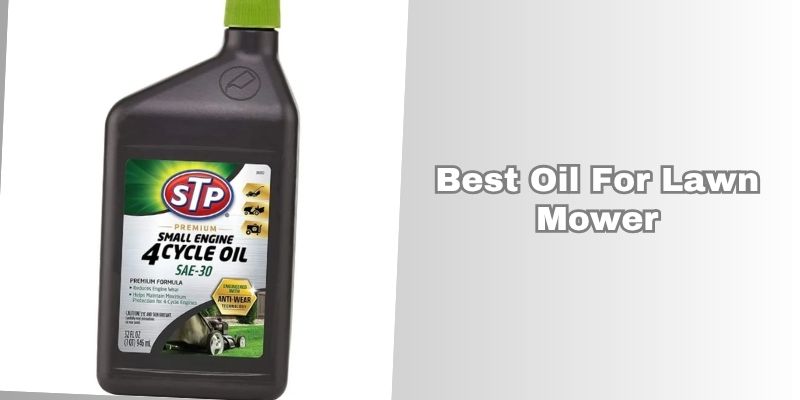
6. STP Premium Synthetic Blend 4 Cycle Small Engine Oil
Best for: Gardeners needing multi-equipment coverage across changing seasons.
This synthetic blend formula uses antioxidants to fight thermal breakdown when working outdoors in high heat. It contains specialized Anti-Wear Technology and a viscosity index improver that helps reduce oil consumption across wide temperatures. The maker states it’s also suitable for machinery that calls for regular SAE 30 oil.
Built-in detergents control carbon buildup so small engine components stay clean for reliable future start-ups. Corrosion inhibitors safeguard internal metals during off-season storage periods. It isn’t for users who refuse synthetic blends in favor of single-grade mineral oils.
Pros
- Anti-Wear Technology helps reduce overall oil consumption
- Includes corrosion inhibitors to protect engines during storage
- Suitable for machines requiring standard single-grade motor oil.
Cons
- Synthetic blend rather than a full synthetic
7. Lucas Oil 11315 SAE 30 Lawn Mower Motor Oil
Best for: Older mowers and warm-weather cutting requiring single-grade fluid.
This SAE 30 motor oil caters directly to machines requiring a dedicated single-grade lubricant for warm weather. It protects parts against excessive overheating while keeping push and riding mowers running quietly. The blend actively stops internal rust from forming during wet fall and winter storage.
The container size fits normal crankcase capacities without leaving lots of leftover fluid on your workbench. This product isn’t for cold-climate chores or snow machines, because this specific grade of fluid thickens in freezing weather. It delivers reliable lubrication for warm grass-cutting duties.
Pros
- Guards internal engine parts against damaging summer overheating
- Helps equipment start easier and run noticeably smoother
- Stops rust from spreading during long seasonal storage
Cons
- Straight weight limits use in sub-freezing temperatures
8. Honda 08213-10W30 Oil
Best for: Small Honda walk-behind mowers needing exact factory fluid.
Supplied as a genuine OEM Honda part, this 10W-30 lubricant fits factory maintenance standards for Honda power equipment. It comes in a compact 12 oz bottle, which makes pouring simple without handling bulky plastic jugs. It delivers the factory lubrication profile recommended by the original engine manufacturer.
Because the volume is strictly limited to 12 ounces, it isn’t suitable for large riding mowers that require two or more quarts. Anyone changing oil on large crankcases will need multiple bottles to finish the job. It remains a straightforward option for compact equipment.
Pros
- Factory genuine OEM formula tailored for Honda engines
- Convenient 12 oz bottle size avoids open leftovers
- Standard 10W-30 weight supports diverse outdoor equipment
Cons
- Small 12 oz size won’t fill larger engines
Also Worth Considering
- Pennzoil 10W-30 Motor Oil: This traditional motor oil comes in a 1-quart container, making it a familiar option for utility machinery that requires a basic 10W-30 viscosity weight.
- Lucas Oil 10W-40 Lawn Mower: Providing a slightly heavier 10W-40 weight, this 1-quart bottle is aimed at lawn mower engines needing thicker film protection in warm air.
- Lucas Oil Hydrostatic Lawn Mower: This fluid is an SAE 20W-50 heavy duty synthetic blend built exclusively for mower hydrostatic drive systems, not mower engine crankcases.
Where These Overlap
Many of these engine lubricants share common goals, so several choices perform similar work in standard lawn mowers. The 10W-30 blends from STP Premium 10W-30 and Lucas Oil 10W-30 both use anti-wear additives and anti-rust chemistry to protect equipment during wet winter storage. Between those two, the brand name on the label is the main distinction. However, fluids like Kawasaki K-Tech 10W-40 genuinely stand apart due to heavier high-temperature viscosity and multi-bottle packaging. Similarly, TRIAX Power 10W-30 distinguishes itself from basic quarts by offering an all-season full synthetic rating suited for extreme temperature swings.
Still Not Sure?
How often do you cut the lawn?
If you maintain a standard suburban yard once a week in warm weather, basic single-grade fluids work fine. Machines running multiple days every week under constant sun benefit from heavier, shear-resistant lubricants. Look at Kawasaki K-Tech 10W-40 if you tackle long, hard mowing sessions.
What kind of engine does your mower have?
Matching the engine brand directly to factory fluid ensures optimal performance without worrying about voiding factory guidelines. Using original parts keeps maintenance routines clean and simple for homeowners. Choose Kohler SAE 10W-30 if your riding machine houses a Kohler motor.
Do you use your machine all year?
Single-grade lubricants get thick when temperatures drop, making off-season equipment hard to pull-start in cold garages. Multi-viscosity synthetic formulas keep fluid moving freely even when clearing snow or collecting late-fall leaves. Choose TRIAX Power 10W-30 for dependable starting in wide temperature shifts.
Pick TRIAX Power 10W-30 for complete all-season engine defense, or select Kawasaki K-Tech 10W-40 if you run commercial equipment in severe summer heat. Check your lawn mower engine manual to confirm your machine’s exact required viscosity rating before placing an order.
FAQ
Can I use regular car motor oil in my lawn mower?
Some car oils work if the viscosity matches your manual, but small air-cooled engines often run hotter than car engines. Specialized mower lubricants usually include zinc additives and rust inhibitors suited for long periods in a storage shed.
What is the difference between SAE 30 and 10W-30?
SAE 30 is a single-grade fluid designed primarily for warm temperatures above freezing. A 10W-30 oil is a multi-grade lubricant that flows easier in cold weather to make starting equipment simpler across all seasons.
Conclusion
Selecting the correct lubricant preserves engine power, stops carbon deposits, and prevents damage during long storage periods. Multi-viscosity blends offer flexible protection across seasonal temperature swings, while straight-weight fluids suit warm-weather lawn work. Always match your mower’s manual to the right bottle before you change the fluid.
Choosing the right lubricant keeps your machine running smoothly for seasons to come. Before your next mow, check your owner’s manual one last time to confirm the exact capacity your engine needs. You’ll find that a little preparation now prevents major headaches later, so you can get back to enjoying your yard.