
Luxury travel has undergone a remarkable transformation over the past decade. While premium hotels, first-class flights, and exclusive dining experiences remain important, modern travelers are increasingly redefining what luxury truly means. For many affluent individuals, genuine luxury is no longer measured by the price of a service or the exclusivity of a location. Instead, it is defined by authenticity, personalization, privacy, and meaningful experiences that create lasting memories.
As travelers become more experienced and sophisticated, their priorities continue to evolve. Rather than collecting luxury goods, many now seek unique moments, personal connections, and experiences that cannot be replicated. This shift is influencing every aspect of the travel industry, from accommodation and transportation to cultural activities and destination planning.
Moving Beyond Traditional Luxury
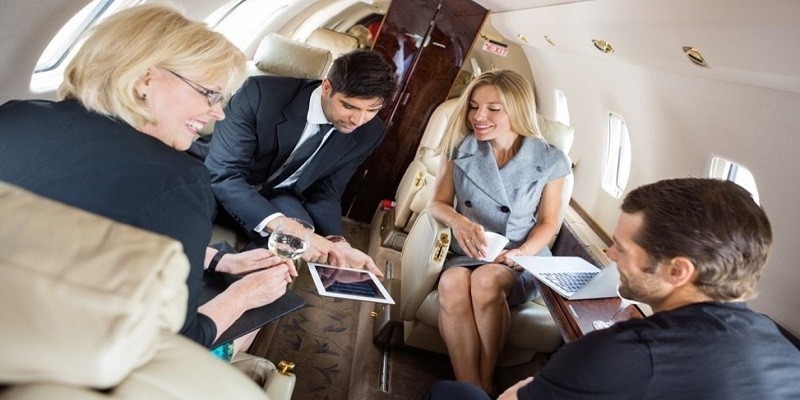
For decades, luxury travel was associated with visible symbols of wealth. Five-star hotels, premium suites, private jets, and luxury shopping often represented the pinnacle of a high-end travel experience.
Today, however, many successful travelers already have access to these comforts in their everyday lives. As a result, they are looking for something more meaningful when they travel.
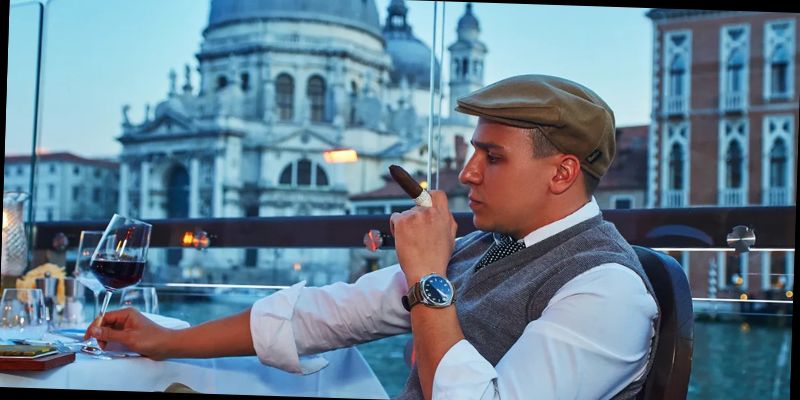
The modern luxury traveler often values exclusivity not because it is expensive, but because it provides access to experiences that feel personal and authentic. A private vineyard tour in Tuscany, an after-hours museum visit, or a carefully curated local experience can deliver far greater satisfaction than traditional luxury offerings.
This change reflects a broader shift in consumer behavior. People increasingly invest in memories rather than possessions and seek experiences that enrich their lives rather than simply demonstrate financial success.
Personalization as the Ultimate Luxury
One of the strongest trends shaping modern travel is personalization. Affluent travelers increasingly expect experiences tailored specifically to their interests, preferences, and lifestyles.
Rather than purchasing standardized travel packages, they prefer itineraries designed around their unique goals. Some travelers prioritize food and wine. Others focus on culture, architecture, history, wellness, or outdoor activities.
This demand for personalization has fueled the growth of private guides, bespoke travel planning, luxury concierge services, and customized cultural experiences.
Travel providers that understand individual preferences are able to create journeys that feel far more meaningful than traditional tourism. This level of customization is becoming one of the most valuable components of modern luxury travel.
Privacy Has Become Increasingly Important
Another defining characteristic of luxury travel today is privacy.
Many affluent travelers are seeking ways to avoid crowded attractions and mass tourism. Privacy allows individuals to experience destinations at their own pace while enjoying a greater sense of comfort and freedom.
Private transportation, villa rentals, yacht charters, and exclusive access experiences have become increasingly popular among travelers who value discretion. Families, entrepreneurs, executives, public figures, and content creators often place a high premium on environments where they can enjoy their journeys without unnecessary attention.
The growing demand for privacy is reshaping the hospitality industry and encouraging travel providers to create more personalized and exclusive experiences.
Authentic Experiences Matter More Than Ever
Modern travelers are becoming increasingly interested in authenticity. Rather than simply visiting famous landmarks, they want to understand the culture, traditions, and everyday life of the destinations they explore.
This often means spending time with local experts, visiting lesser-known locations, exploring neighborhoods beyond the typical tourist routes, and engaging with local communities.
Authentic experiences provide a deeper connection to a destination and often become the most memorable parts of a journey. Travelers frequently report that their favorite moments are not the famous attractions themselves but the unexpected discoveries made along the way.
As a result, travel experiences that offer genuine cultural immersion continue to grow in popularity among luxury travelers worldwide.
Italy as a Global Luxury Travel Destination
Few countries embody the principles of modern luxury travel as effectively as Italy.
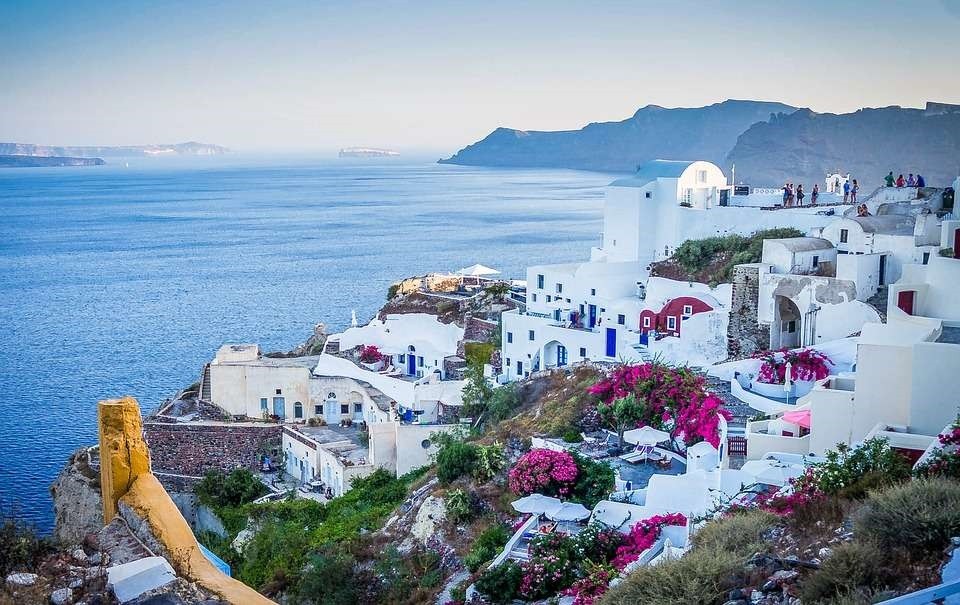
The country offers an extraordinary combination of history, culture, gastronomy, architecture, fashion, and natural beauty. Visitors can explore ancient Roman landmarks, Renaissance masterpieces, picturesque coastal villages, world-renowned vineyards, and vibrant modern cities within a single trip.
Italy also excels in providing highly personalized experiences. Whether travelers are interested in private culinary tours, exclusive wine tastings, luxury shopping experiences, or customized cultural itineraries, the country offers exceptional opportunities to explore according to individual interests.
This flexibility makes Italy one of the most attractive destinations for travelers seeking meaningful and memorable luxury experiences.
Preserving Experiences Through Professional Photography
As travelers increasingly focus on experiences rather than possessions, documenting those experiences has become more important than ever.
While smartphones allow people to take thousands of photographs during a trip, many travelers are discovering the value of professional photography as a way to preserve important memories with greater quality and authenticity.
Professional photography enables travelers to remain fully present during an experience while ensuring that significant moments are captured naturally and beautifully. Rather than spending valuable time managing cameras and taking selfies, travelers can focus entirely on enjoying their surroundings.
Many visitors exploring Italy choose to work with professionals such as Antonio Jarosso, whose work focuses on capturing authentic travel experiences in some of the country’s most iconic locations. By combining local knowledge with a personalized approach, professional photographers can help travelers create visual memories that remain meaningful long after the journey has ended.
For many affluent travelers, these photographs become far more valuable than traditional souvenirs, serving as lasting reminders of experiences that shaped their lives and broadened their perspectives.
The Future of Luxury Travel
The future of luxury travel will likely continue moving toward greater personalization, authenticity, and emotional value.
Travelers increasingly seek experiences that reflect their individual identities and interests rather than standardized definitions of luxury. They want privacy, flexibility, local expertise, and meaningful connections with the places they visit.
Technology will continue to simplify logistics and improve convenience, but the most successful travel experiences will remain deeply human. Genuine interactions, unique stories, and unforgettable memories will continue to define the highest levels of luxury.
As consumer expectations evolve, the travel industry will increasingly focus on helping people create experiences that feel personal, authentic, and truly memorable.
Read More – Private Jet Charter vs. First-Class: What’s The Difference?
Conclusion
Luxury travel is no longer defined solely by expensive hotels, premium transportation, or exclusive amenities. Today’s travelers are redefining luxury through authenticity, personalization, privacy, and meaningful experiences that create lasting memories.
Destinations such as Italy continue to thrive because they offer countless opportunities to experience these values firsthand. Whether through cultural immersion, private experiences, or professionally documented journeys, modern travelers are increasingly investing in moments that enrich their lives rather than possessions that simply occupy space.
In this new era of travel, the most valuable luxury is often not what travelers purchase, but what they remember long after they return home.