


Streaming reshaped music by shifting revenue models, global access, and artist discovery.
I have spent years researching and working with music platforms and artists, and I will explain How Music Streaming Transformed The Music Industry with clear evidence, practical insight, and real-world examples. This article analyzes the technical, economic, and cultural shifts that followed streaming’s rise, and offers actionable takeaways for artists, managers, and industry professionals who want to adapt.
The shift from ownership to access
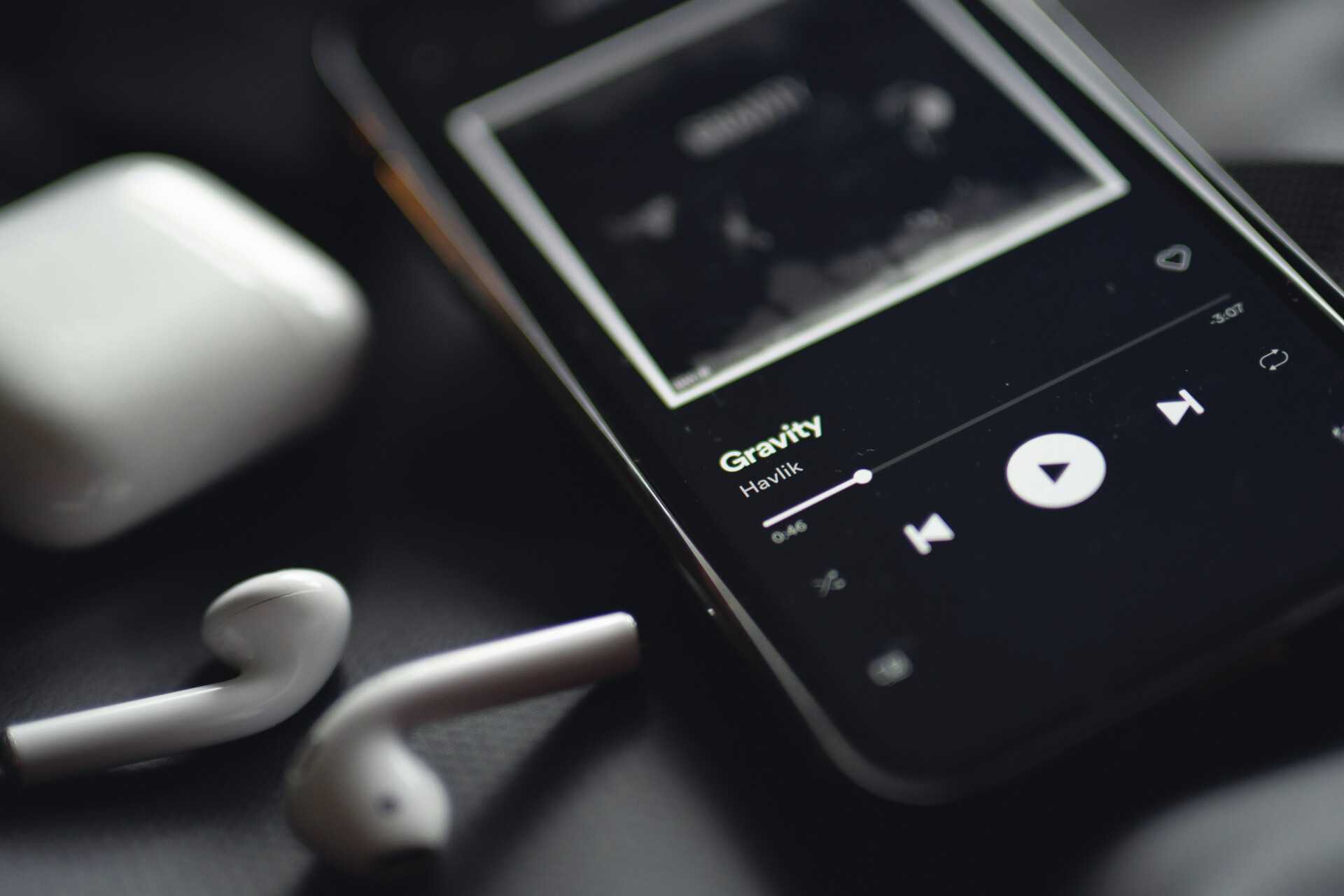
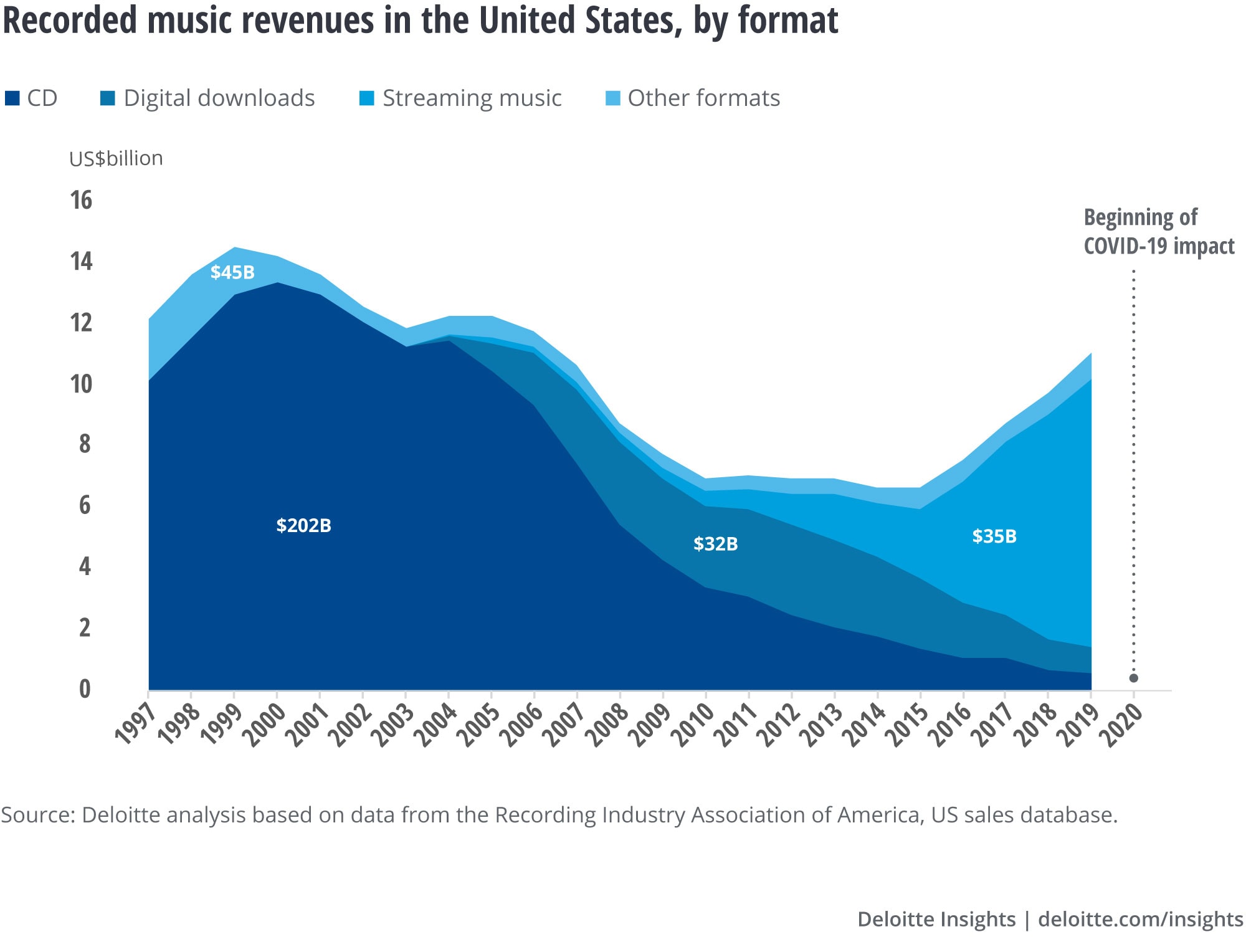
How Music Streaming Transformed The Music Industry began with a basic change in consumer behavior: people chose access over ownership. Instead of buying albums, listeners now subscribe to services that grant vast catalogs for a low monthly fee. This lowered friction for music discovery and increased listening time across demographics. Artists and labels faced new pressures to convert streams into sustainable income and visibility.
 compensation”
style=”max-width: 100%; height: auto; border: 2px solid black; border-radius: 10px; display: block; margin: 0 auto;”
loading=”lazy”
/>
Revenue models and artist compensation
How Music Streaming Transformed The Music Industry also redefined revenue. Streaming pays per stream, split among platforms, labels, publishers, and artists, replacing one-time purchases with ongoing micro-payments. This created predictable recurring revenue for rights holders but also concentrated earnings among top performers. Many independent artists now combine streaming income with touring, licensing, and direct fan support to build viable careers.
Discovery, playlists, and artist exposure
One major way How Music Streaming Transformed The Music Industry shows itself is through playlists and algorithmic recommendations. Curated playlists and personalized mixes can expose unknown artists to millions of listeners overnight. This democratized discovery but also made playlist placement a key marketing objective. Success now depends on metadata, release timing, and playlist strategy as much as on the music itself.

Production, promotion, and industry roles
How Music Streaming Transformed The Music Industry by reshaping how music is produced and promoted. Shorter single cycles, frequent releases, and data-driven A&R became commonplace. Labels restructured around streaming metrics, while independent artists used direct distribution tools to publish music quickly. Marketing shifted toward social clips, playlist pitching, and cross-platform campaigns.
Data, personalization, and algorithmic impact
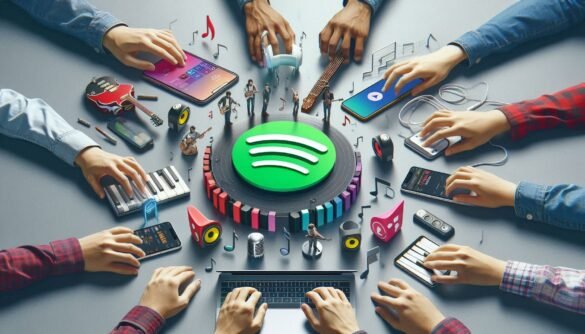
Data powers the modern music ecosystem, and this is central to How Music Streaming Transformed The Music Industry. Platforms collect listening habits and use algorithms to personalize recommendations and playlists. That improves user retention but can also create feedback loops favoring certain styles. Understanding platform analytics helps artists refine promotion and audience development.
Consumer behavior and cultural effects
Consumers now expect instant access to almost any song. This shift explains much of How Music Streaming Transformed The Music Industry culturally. Genres blend faster, global hits spread more quickly, and listening sessions lengthen. Streaming made music a background soundtrack for daily life, changing how people value albums versus single tracks.

Challenges, controversies, and rights management
How Music Streaming Transformed The Music Industry brought thorny legal and ethical issues. Royalty distribution, fair contracts, and transparency are ongoing debates. Rights management is more complex with multiple stakeholders across writing, recording, and publishing rights. The industry must balance growth with fair compensation and clearer reporting.
Future trends and what comes next
How Music Streaming Transformed The Music Industry will continue evolving with new formats, immersive audio, and tighter platform integration. Artists who understand data, diversify income, and build direct fan connections will fare best. Emerging technologies may improve monetization and transparency, but adaptation remains essential.

Frequently Asked Questions of How Music Streaming Transformed The Music Industry
How did streaming change music revenue streams?
Streaming replaced one-time purchases with recurring micro-payments and subscriptions. Revenue is now continuous but often distributed unevenly, favoring high-stream artists.
Do streaming platforms pay artists fairly?
Payments vary by platform and contract. While streaming increased overall market revenue, fairness depends on transparency, deal terms, and how streams are counted.
How does streaming affect new artist discovery?
Streaming accelerates discovery through playlists and algorithms. New artists can break quickly, but they must optimize metadata and promotion to gain traction.
Can artists make a living from streaming alone?
Some can, typically those with large audiences or viral hits. Many artists supplement streaming with touring, merchandise, licensing, and fan memberships.
What should rights holders do to adapt to streaming?
Rights holders should prioritize clear contracts, use analytics, diversify revenue, and invest in playlist and data-driven promotion. Transparency and flexible strategies help navigate streaming’s landscape.
Conclusion
Streaming changed distribution, discovery, and revenue. How Music Streaming Transformed The Music Industry is clear: access models, algorithmic discovery, and data-driven decisions now shape careers and business models. If you are an artist or industry professional, focus on building direct fan relationships, learning analytics, and diversifying income. Start by auditing your streaming data, refining metadata, and planning a consistent release calendar to stay competitive. Share your experiences or questions below and subscribe for more industry insights.