


You’ve probably bought clothes that looked great but fell apart quickly. Ever wondered why some fashion feels cheap while others last longer and feel better?
That’s the world of fast fashion versus sustainable fashion. Understanding the difference can save you money, help the planet, and even boost your style. Keep reading to discover what makes these two fashion choices so different—and how you can make smarter decisions with your wardrobe.
Fast Fashion Basics
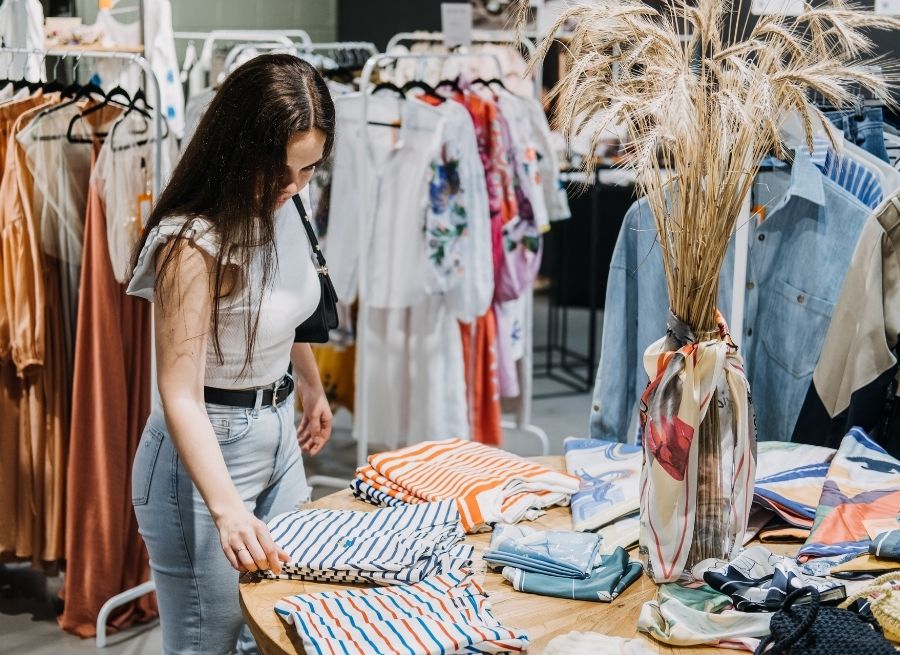
Fast fashion is a popular way to buy clothes quickly and cheaply. It focuses on producing many new styles in a short time. This approach meets the demand for the latest trends. Brands use fast fashion to keep stores full and customers coming back often.
Understanding the basics of fast fashion helps to see its impact on shopping habits and the environment. The following sections explain how fast fashion works in terms of production, audience, and pricing.
Production Speed And Volume
Fast fashion brands produce clothes at a very high speed. They quickly turn runway trends into wearable items. Factories make large quantities to keep up with demand. This speed often means lower quality and less durability. The focus is on quantity over long-lasting products.
Target Audience And Trends
The main buyers are young people who want trendy clothes. Fast fashion appeals to those who like to change their wardrobe often. It targets customers who want the newest styles without waiting. The brands follow social media and pop culture for trend ideas.
Pricing And Accessibility
Fast fashion offers very low prices. This makes trendy clothing affordable for many shoppers. Stores are found in malls and online, making them easy to access. The low cost encourages frequent purchases. This pricing strategy helps fast fashion grow quickly.
Sustainable Fashion Principles
Sustainable fashion is more than a trend. It is a way to make clothes that care for the planet and people. This approach changes how clothes are made, worn, and discarded. It aims to reduce harm and support fairness.
Understanding sustainable fashion means knowing its key principles. These principles guide brands and consumers to choose better options. They help protect natural resources and promote kindness in the fashion industry.
Eco-friendly Materials
Sustainable fashion uses materials that harm the environment less. Natural fibers like organic cotton, linen, and hemp are popular choices. These fibers grow with fewer chemicals and less water. Recycled fabrics also reduce waste and save energy. Choosing eco-friendly materials lowers pollution and helps keep the earth clean.
Ethical Labor Practices
Fair treatment of workers is a core part of sustainable fashion. Brands must ensure safe workplaces and fair wages. No child labor or forced labor is allowed. Respecting workers’ rights builds trust and dignity. Ethical labor practices support communities and improve lives.
Longevity And Quality Focus
Sustainable clothes are made to last longer. Quality materials and strong stitching prevent quick wear and tear. Timeless designs avoid fast-changing trends. This approach reduces waste by cutting down on frequent purchases. Wearing durable clothes saves money and helps the environment.
Environmental Impact Comparison
The environmental impact of fashion is a major concern today. Fast fashion and sustainable fashion affect the planet in very different ways. Understanding these differences helps us make better choices. This section compares their effects on resources, waste, and carbon emissions.
Resource Consumption
Fast fashion uses huge amounts of water and energy. Growing cotton and producing synthetic fibers require many resources. Factories run non-stop to meet demand. Sustainable fashion uses fewer resources. It often relies on organic or recycled materials. This reduces water use and pollution. Sustainable brands also focus on quality, not quantity.
Waste Generation
Fast fashion creates tons of textile waste every year. Clothes are made cheaply and discarded quickly. Many end up in landfills or incinerators. Sustainable fashion aims to reduce waste. It promotes recycling, repairing, and upcycling. Clothes last longer and can be reused. This lowers the volume of waste sent to dumps.
Carbon Footprint
Fast fashion produces large amounts of greenhouse gases. Transportation, production, and disposal all add to emissions. Synthetic fabrics also release microplastics into oceans. Sustainable fashion focuses on cutting carbon emissions. Using local materials and cleaner energy helps. The goal is to keep the carbon footprint as low as possible.
Social And Ethical Concerns
Social and ethical concerns shape the debate between fast fashion and sustainable fashion. The choices brands make affect millions of workers and communities worldwide. These issues go beyond style and price. They touch on human rights, fairness, and honesty. Understanding these concerns helps consumers make better decisions.
Worker Rights And Conditions
Fast fashion often depends on cheap labor in poor conditions. Many workers face long hours and low pay. Safety standards are sometimes ignored. This can lead to accidents or health problems. Sustainable fashion brands aim to improve these conditions. They pay fair wages and follow safety rules. Respecting worker rights is key to ethical clothing.
Community Effects
Fast fashion can harm local communities. Factories might pollute water and soil. This damages farming and drinking supplies. Small businesses may struggle to compete with large brands. Sustainable fashion supports local artisans and small producers. It helps build stronger, healthier communities. Positive impact matters beyond the clothes we wear.
Transparency In Supply Chains
Many fast fashion brands hide where and how they make clothes. Lack of transparency hides unethical practices. Sustainable brands share details about their factories and materials. This openness builds trust with customers. Clear supply chains show respect for people and the planet. Transparency is a step toward better fashion choices.
Consumer Behavior And Choices
Consumer behavior plays a big role in the fashion industry. Choices made by shoppers affect the demand for fast fashion or sustainable options. Understanding these behaviors helps explain why certain trends grow or fade. It also shows how people can shift toward more eco-friendly choices.
Many factors influence how people shop and what they buy. These include habits, knowledge, and marketing tactics. Each of these affects how consumers see fast fashion and sustainable fashion differently.
Shopping Habits
People often buy clothes based on price and convenience. Fast fashion appeals because it is cheap and easy to find. Many shoppers buy more items but wear them less. Sustainable fashion requires more effort and often costs more. This can slow down buying speed and frequency.
Some consumers prefer quality over quantity. They look for clothes that last longer and have less impact on the planet. These shoppers tend to buy fewer items but value them more. Changing shopping habits is key to supporting sustainable fashion.
Awareness And Education
Knowledge about fashion’s impact affects buying choices. Many people do not know how fast fashion harms the environment. Education can show the benefits of sustainable fashion. Learning about materials, labor, and waste helps consumers make better decisions.
Schools, media, and brands can spread awareness. Clear information encourages shoppers to think before buying. Increased education leads to more demand for eco-friendly clothes. Awareness is the first step toward changing behavior.
Influence Of Marketing
Marketing shapes how people view fashion brands. Fast fashion brands often use trendy ads and low prices to attract buyers. They create a sense of urgency with limited-time deals. This pushes consumers to buy quickly and often.
Sustainable brands focus on honesty and transparency. They highlight ethical practices and environmental benefits. These messages appeal to conscious shoppers. Marketing can help shift consumer choices toward sustainability by telling clear stories.
Economic Implications
The economic implications of fast fashion and sustainable fashion are significant. These two models impact markets, jobs, and consumer spending differently. Understanding these effects helps us see the true cost behind our clothing choices.
Market Growth Trends
Fast fashion markets grow rapidly due to low prices and quick trends. Brands release new collections every week to attract buyers. This constant supply keeps customers shopping more often. Sustainable fashion grows slower but shows steady demand. Consumers pay more for quality and ethical production. Markets for eco-friendly brands expand as awareness rises. This shift changes how money flows in the fashion industry.
Job Creation And Loss
Fast fashion creates many jobs in factories and retail stores. These jobs often offer low pay and poor conditions. Many workers face long hours and unsafe environments. Sustainable fashion supports fewer jobs but offers better wages. It promotes fair labor practices and safe workplaces. Some fast fashion jobs disappear as brands automate. Sustainable brands invest in skilled craftspeople and local workers. The job landscape changes with each fashion model.
Cost Vs Value Debate
Fast fashion appeals with low prices and quick availability. Customers buy more but products wear out fast. This leads to frequent replacements and waste. Sustainable fashion costs more upfront but lasts longer. Buyers get better value from durable materials and designs. The debate centers on saving money now or investing in quality. Choosing value supports ethical production and reduces waste. This choice affects both wallets and the planet.
Challenges In Sustainable Fashion
Sustainable fashion faces many challenges that slow its growth. These challenges affect producers, brands, and shoppers. Understanding these issues helps us see why change is not quick or easy.
The fashion industry must balance quality, cost, and environmental care. This balance is hard to achieve. Let’s explore the main challenges in sustainable fashion.
Scaling Production
Making sustainable clothes on a large scale is tough. Factories must change their processes. This change costs money and time. Many brands lack the resources to switch quickly. Small sustainable brands struggle to meet big orders. This limits their market reach and growth.
Material Innovation
New eco-friendly materials need more research and testing. Some materials are expensive or hard to find. Others need special machines or skills to work with. The fashion industry must find ways to make these materials affordable. Without this, sustainable fabrics stay rare and costly.
Consumer Adoption
Many shoppers prefer fast fashion due to low prices. Sustainable clothes often cost more. People may not understand the benefits of eco-friendly options. Changing shopping habits requires education and awareness. Without strong demand, brands hesitate to invest in sustainability.
Future Trends And Innovations
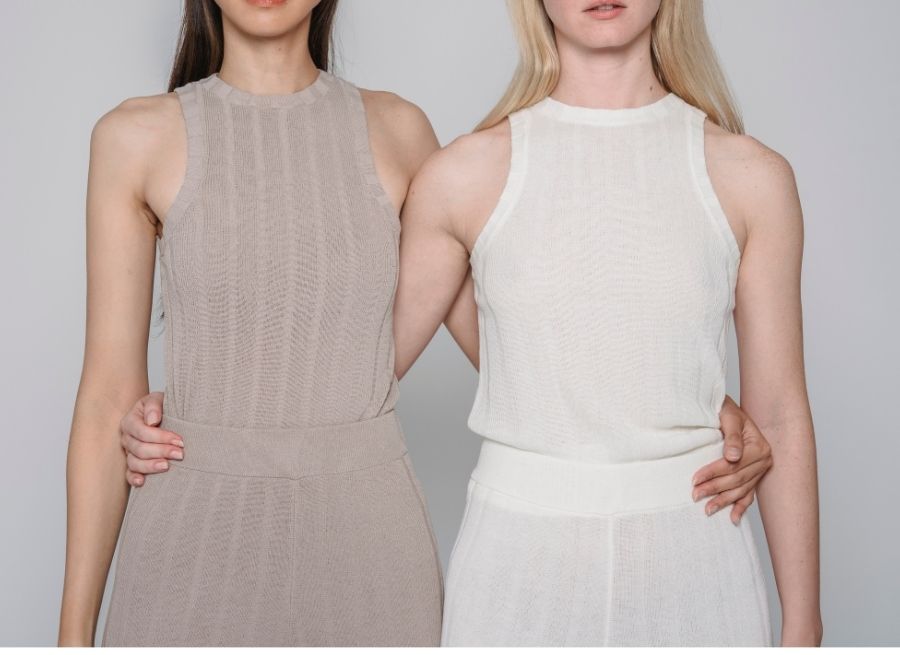
The fashion industry is changing fast. The future focuses on sustainability and innovation. New ideas are shaping how clothes are made, used, and reused. This shift aims to reduce waste and protect the planet. Exploring these future trends helps us understand the path ahead.
Circular Fashion Models
Circular fashion means using clothes longer and smarter. Clothes are designed to be repaired, reused, or recycled easily. Brands collect old clothes to make new ones. This reduces waste and saves resources. It also lowers pollution from making new materials.
Rental and resale markets grow quickly. People rent or buy secondhand clothes instead of new. This changes how we think about owning fashion. Circular models help slow down fast fashion’s harmful effects.
Technological Advances
Technology plays a big role in sustainable fashion. New fabrics use less water and energy. Some materials come from plants or recycled waste. This cuts down pollution and waste.
3D printing helps make clothes with less material. It also allows custom fits, reducing returns and waste. Digital tools track clothes’ life cycles. This helps brands improve sustainability and transparency.
Policy And Regulation
Governments are creating rules to support sustainable fashion. Some laws limit waste and pollution from factories. Others require brands to be more transparent about their supply chains.
Policies encourage use of eco-friendly materials and fair labor. These rules push the whole industry to act responsibly. Regulation helps protect both people and the planet.
Frequently Asked Questions
What Is The Main Difference Between Fast Fashion And Sustainable Fashion?
Fast fashion focuses on cheap, trendy clothes made quickly. Sustainable fashion uses eco-friendly materials and fair labor practices.
Why Is Fast Fashion Harmful To The Environment?
Fast fashion creates a lot of waste and pollution. It uses non-renewable resources and often involves toxic dyes.
How Does Sustainable Fashion Benefit Workers And Communities?
Sustainable fashion ensures safe working conditions and fair wages. It supports local artisans and reduces exploitation.
Can Buying Sustainable Fashion Save Money In The Long Run?
Yes, sustainable clothes last longer and need fewer replacements. This reduces overall spending on new clothes over time.
Conclusion
Fast fashion offers quick and cheap clothing choices. Sustainable fashion focuses on quality and care for the planet. Choosing sustainable options helps reduce waste and pollution. It supports fair work and better materials. Small changes in shopping can make a big impact.
Think about what you wear and why. The future of fashion depends on these choices. Every step toward sustainability matters. Your decisions can shape a healthier world. What kind of fashion will you support?