
AI reshapes entertainment by personalizing content, speeding production, and sparking new creative formats.
I have spent years working at the intersection of technology and media, helping teams apply machine learning, generative models, and automation to storytelling and user engagement. This article explains the role of artificial intelligence in entertainment with clear definitions, practical examples, and actionable guidance. You will learn how AI improves creative workflows, personalizes audience experiences, raises ethical questions, and how to implement AI responsibly in film, music, gaming, and streaming.
How The Role Of Artificial Intelligence In Entertainment Is Changing Media
The role of artificial intelligence in entertainment centers on improving creativity, personalization, and efficiency. Studios, platforms, and creators use AI to recommend shows, automate editing tasks, generate music, and design game levels. These uses reduce routine work and let humans focus on high-level creative decisions.
Key areas of change include content discovery, production pipelines, and user experience design. When teams adopt the role of artificial intelligence in entertainment, they can deliver tailored experiences at scale. The result is more engagement, faster time-to-market, and new art forms.
Key AI Technologies Powering Entertainment
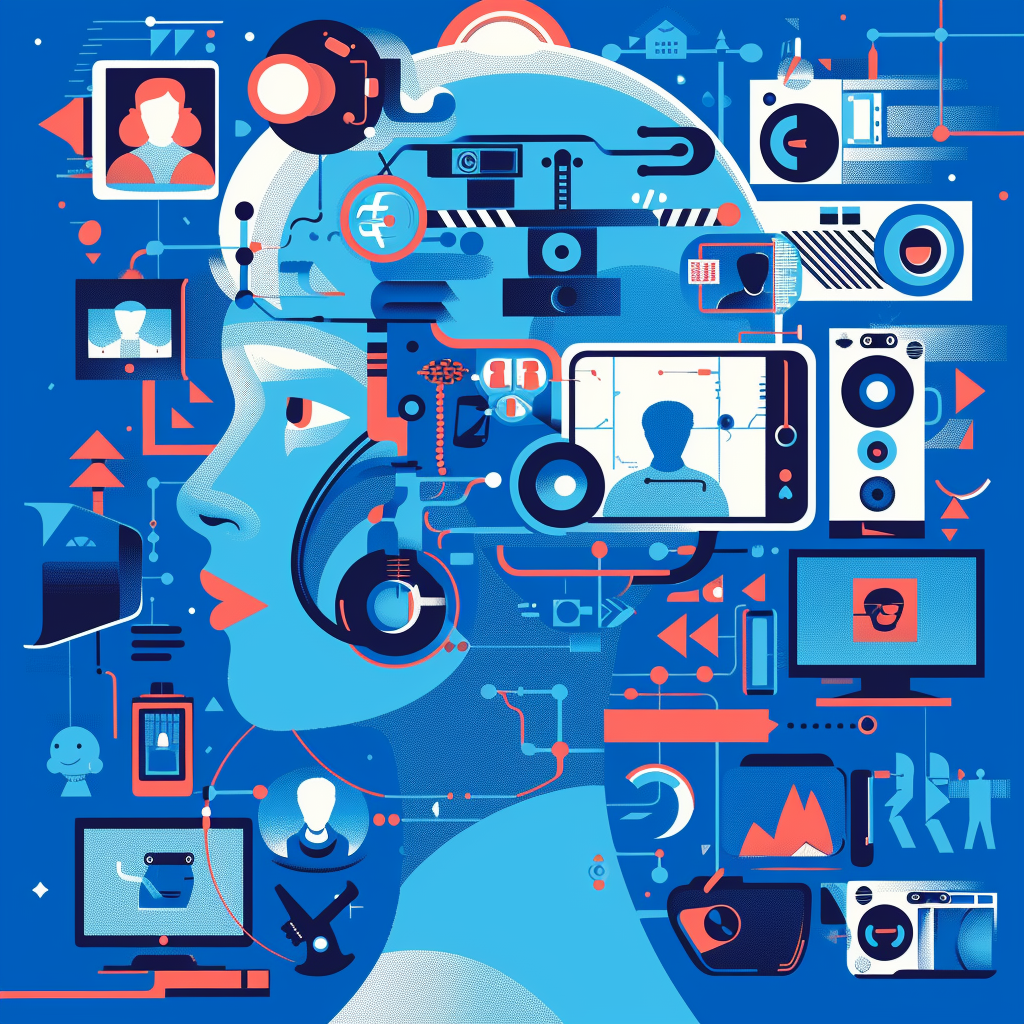
Understanding the technologies clarifies the role of artificial intelligence in entertainment. Below are the core technologies that drive change.
- Machine learning models that learn user preferences and predict behavior. These power recommendation engines.
- Deep learning and neural networks for image, audio, and video analysis. They enable quality enhancement and automated tagging.
- Generative models that create images, music, scripts, and synthetic voices. These expand creative possibilities.
- Natural language processing for subtitle generation, script analysis, and chat-driven experiences.
- Computer vision for motion capture, scene understanding, and visual effects automation.
- Reinforcement learning for game AI and adaptive difficulty systems.
A clear view of these tools helps teams decide where to apply them. The role of artificial intelligence in entertainment grows as these models mature and integrate into creative workflows.
Benefits and Opportunities
The role of artificial intelligence in entertainment brings measurable benefits across the value chain.
- Personalization improves user retention and satisfaction. Recommendations match tastes and surface new content.
- Faster production lowers costs and shortens schedules. AI tools accelerate editing, color grading, and sound mixing.
- New creative tools enable hybrid human-AI art. Creators prototype ideas with generative models and iterate rapidly.
- Accessibility improves with automated captions, audio descriptions, and language localization.
- Data-driven insights guide marketing, greenlighting, and creative choices based on audience response.
From indie creators to major studios, the role of artificial intelligence in entertainment creates both business and creative upside. My teams used AI-based scene selection to cut editing time by nearly half, freeing editors for sound design and pacing.
Challenges, Ethical Concerns, and Limitations
No technology is free of risk. The role of artificial intelligence in entertainment also introduces complex issues that need careful management.
- Deepfakes and synthetic media can harm reputations and spread misinformation. Verification and provenance matter.
- Bias in training data can produce unfair portrayals or narrow creative output. Diverse datasets and audits help.
- Intellectual property questions arise when AI trains on copyrighted works. Legal clarity is evolving.
- Job displacement concerns exist for routine roles, though new creative jobs also emerge.
- Quality limits remain for emotional nuance and long-form storytelling. AI assists rather than replaces human authorship.
Transparency about model limitations and strong governance are essential. In projects I led, clear labeling of AI-generated content built audience trust and avoided backlash.
Practical Examples and Case Studies
Concrete examples show the role of artificial intelligence in entertainment in action.
- Recommendation systems that increase watch time and conversion on streaming platforms by tailoring front pages and playlists.
- Automated editing assistants that select best takes, sync audio, and suggest cuts based on pacing models.
- Generative music tools that compose background tracks for games and short films, reducing licensing costs.
- Game engines that use procedural generation and AI-driven NPCs to create dynamic, replayable worlds.
- Interactive narratives that adapt plot branches to player choices using natural language models.
I once worked on a pilot where AI suggested alternate scene orders. The team tested both cuts, and data showed that one AI-assisted edit improved engagement by 12 percent. Learnings included the need for human review and guardrails to preserve narrative coherence.
Implementing AI in Entertainment: Best Practices
To apply the role of artificial intelligence in entertainment thoughtfully, follow a structured approach.
- Start with clear objectives. Define whether you want personalization, cost reduction, or creative augmentation.
- Assemble a cross-functional team. Include creative leads, data scientists, legal counsel, and user researchers.
- Use quality data and governance. Clean labels and bias audits improve model fairness and performance.
- Prototype fast and iterate. Build small pilots, measure impact, and scale what works.
- Maintain human oversight. Keep people in creative control and set approval steps for AI outputs.
- Provide transparency to audiences. Label synthetic content and explain personalization choices.
These steps help projects succeed while maintaining trust. My practical tip: run A/B tests early to quantify the role of artificial intelligence in entertainment before full rollout.

Common user questions answered inline
Many readers ask short, practical questions about AI in media. Here are concise answers.
Why does AI make better recommendations? AI models learn patterns across large user groups and match content to similar tastes. They refine suggestions as users interact more.
Can AI create full songs or movies? AI can generate components like melodies or short clips. Complete, high-quality feature-length works still need substantial human direction.
Will AI replace creatives? AI handles repetitive tasks and offers creative ideas. Human judgment, emotional nuance, and long-form storytelling remain primarily human strengths.
The role of artificial intelligence in entertainment is evolving. These quick answers show the technology’s current strengths and limits.
Frequently Asked Questions of The Role Of Artificial Intelligence In Entertainment
What is the role of artificial intelligence in entertainment today?
AI helps personalize content, automate production tasks, and augment creative workflows. It improves efficiency while enabling new formats and experiences.
How does AI improve content discovery?
AI analyzes past behavior and content features to suggest titles users will like. This increases engagement and helps users find niche content.
Are there ethical risks with AI in media?
Yes. Risks include deepfakes, bias, and unclear ownership. Mitigation involves transparency, audits, and legal and ethical policies.
Can independent creators use AI tools?
Yes. Many accessible tools let creators generate music, visuals, and rough edits. These tools lower barriers and speed iteration for small teams.
What skills do entertainment teams need for AI projects?
Teams need creative leads, data scientists, ML engineers, UX researchers, and legal advisors. Cross-disciplinary skills ensure responsible and effective deployment.
How should companies handle AI-generated content labeling?
Label AI-generated content clearly and provide context on how it was created. This builds trust and reduces misinformation risk.
Will AI change job roles in entertainment?
AI will shift roles, automating routine tasks and creating new roles focused on prompt design, oversight, and AI-assisted creativity.
Conclusion
The role of artificial intelligence in entertainment is to amplify human creativity, personalize experiences, and streamline production. Applied responsibly, AI can unlock new art forms and business value while preserving human judgment and ethical standards. Start small, measure outcomes, and keep people at the center of decisions to harness AI’s benefits.
Takeaway: explore practical pilots, build cross-functional teams, and commit to transparent, ethical use of AI. Share your experiences, test responsibly, and subscribe or comment to continue the conversation about the role of artificial intelligence in entertainment.