

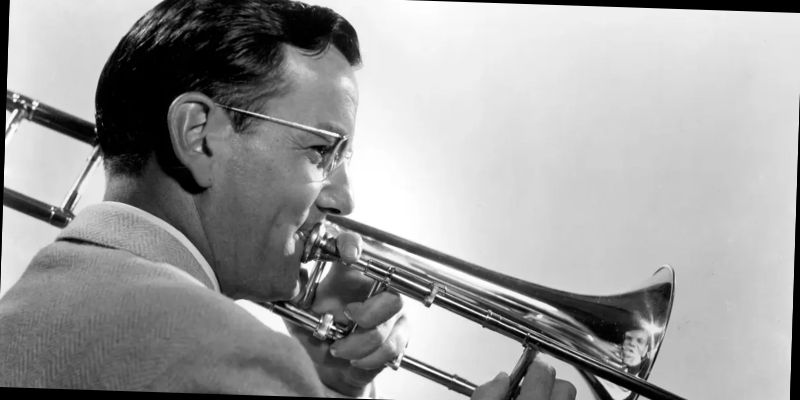
Have you ever wondered what really happened to Glenn Miller? His music was everywhere, and his name still echoes in the world of big band and jazz.
But then, suddenly, he vanished from the spotlight. If you’ve ever been curious about the mystery behind his disappearance, you’re not alone. This story is full of surprising twists and unanswered questions that might just change how you see history.
Keep reading to uncover the truth about Glenn Miller and why his story still fascinates so many people today.

Credit: www.aol.com
Glenn Miller’s Rise To Fame
Glenn Miller was a famous American bandleader and musician. He became a major figure in the swing era of the 1930s and 1940s. His music was loved by many people across the United States and beyond.
Miller’s rise to fame came from his unique sound and skillful arrangements. He led one of the most popular big bands of his time and recorded many hit songs.
Early Career And Musical Style
Glenn Miller started his career as a trombone player. He worked with many bands before forming his own. His style mixed smooth melodies with strong rhythms. This made his music easy to dance to and enjoy.
Formation Of The Glenn Miller Orchestra
In 1938, Miller created his own band called the Glenn Miller Orchestra. The band quickly became popular for its clear sound and tight arrangements. They played in clubs and on the radio, gaining a big audience.
- Started with a small group of talented musicians
- Focused on smooth brass and reed sections
- Used arrangements that highlighted melody and rhythm
- Appealed to both dancers and listeners
Hit Songs And National Fame
Glenn Miller’s band had many hit songs that made them famous. Some of the most popular were “In the Mood,” “Moonlight Serenade,” and “Chattanooga Choo Choo.” These songs reached the top of the charts and became classics.
| Song Title | Year Released | Notable Fact |
| In the Mood | 1939 | One of the best-selling swing songs ever |
| Moonlight Serenade | 1939 | Signature tune of Glenn Miller Orchestra |
| Chattanooga Choo Choo | 1941 | First gold record in the USA |
Impact On American Music
Glenn Miller changed the way big band music sounded. His orchestra’s clear and smooth sound influenced many musicians. He helped popularize swing music during a difficult time in America.

Credit: en.wikipedia.org
The Final Flight
Glenn Miller was a famous bandleader and musician during World War II. He disappeared during a flight in 1944. This event remains a mystery and has many theories around it.
This section explores the details of his last flight and what might have happened to him.
The Flight Details
On December 15, 1944, Glenn Miller boarded a small plane in England. He was traveling to France to perform for troops. The weather was bad with heavy fog and low clouds.
The Aircraft
The plane was a single-engine UC-64 Norseman. It was a small aircraft used for transport during the war. The plane was not well suited for bad weather or long flights.
Disappearance And Search
The plane disappeared over the English Channel. No distress signals were sent. Search parties found no wreckage or survivors, leading to many questions.
- Flight departed at 1:55 PM from RAF Twinwood Farm
- Destination was Paris, France
- Last radio contact was shortly after takeoff
- No confirmed crash site found
- Search efforts lasted several weeks
Theories About The Disappearance
| Theory | Description |
| Mechanical Failure | The plane might have broken down mid-flight. |
| Weather Conditions | Heavy fog and ice could have caused a crash. |
| Enemy Action | Some believe the plane was hit by enemy fire. |
| Navigation Error | The pilot might have lost course and crashed into the sea. |
Legacy Of Glenn Miller’s Final Flight
Glenn Miller’s music remains popular today. His disappearance added to his legend. Many remember him as a symbol of hope during the war.
Did You Know?
Glenn Miller’s plane was one of the few that flew without an escort in wartime skies.
Theories Behind The Disappearance
Glenn Miller vanished during World War II while flying over the English Channel. Many theories try to explain what happened. This article looks at the main ideas behind his disappearance.
Experts and historians still debate the cause. The main theories focus on mechanical failure, enemy action, and weather conditions. Each offers different reasons why his plane never reached its destination.
Mechanical Failure
Some believe the plane had engine trouble or other mechanical problems. The aircraft was a single-engine Norseman, which might have had issues during the flight. This theory suggests the plane crashed due to technical faults.
- Engine could have stopped working mid-flight
- Fuel problems might have caused the plane to lose power
- Mechanical parts might have broken due to stress or wear
- Repair history of the plane was not fully clear
Enemy Action
Another theory says enemy forces shot down the plane. The flight route passed over areas with German fighters and anti-aircraft guns. This could explain why the plane disappeared without a trace.
| Type of Threat | Details |
| Enemy Fighter Planes | Could have attacked the plane during flight |
| Anti-Aircraft Guns | Known to be active over the English Channel |
| Submarine Activity | Less likely but possible threat near the coast |
Weather Conditions
Bad weather might have caused the plane to crash. Fog, clouds, and strong winds were common in the area. These conditions could have made flying very dangerous for Glenn Miller and his crew.
Weather factors that may have affected the flight:
- Heavy fog reducing visibility
- Strong crosswinds pushing the plane off course
- Cold temperatures causing icing on wings
Legacy And Impact
Glenn Miller was a famous bandleader and musician. His music style left a strong mark on American culture.
Even after his disappearance, his work continues to influence music and artists today.
Influence On Big Band Music
Glenn Miller helped make big band music popular in the 1930s and 1940s. His sound was smooth and easy to listen to.
Many musicians copied his style and songs for decades after his time.
Role During World War Ii
Miller joined the Army and formed a band to play for troops. This boosted soldier morale during the war.
His music helped bring hope and comfort to many people in hard times.
Enduring Popularity Of His Songs
Many of Glenn Miller’s songs, like “In the Mood” and “Moonlight Serenade,” are still popular today.
These songs are played on radio stations and at events, keeping his music alive for new generations.
Cultural Recognition And Honors
Glenn Miller has received many awards and honors after his disappearance. He is remembered as a key figure in American music.
- Inducted into the Grammy Hall of Fame
- Honored at the National WWII Museum
- Remembered in movies and documentaries

Credit: www.billboard.com
Frequently Asked Questions
What Happened To Glenn Miller During World War Ii?
Glenn Miller disappeared in 1944 while flying over the English Channel on a military flight.
Why Did Glenn Miller’s Plane Go Missing?
The plane likely crashed due to bad weather or mechanical failure, but the exact cause is unknown.
Was Glenn Miller’s Body Ever Found?
No, Glenn Miller’s body was never recovered after the plane went missing.
How Did Glenn Miller’s Disappearance Affect His Music Career?
His death ended a rising music career and left a lasting impact on big band music.
Conclusion
The mystery of Glenn Miller’s disappearance captivates many. His music touched countless lives. Though the exact details remain unclear, his legacy endures. Fans continue to cherish his contributions to jazz. People speculate on his fate, but answers elude us. His influence on music is undeniable.
Glenn Miller’s name remains iconic in the music world. His story reminds us of the era’s challenges and triumphs. We remember him through his timeless tunes. Glenn Miller’s legend lives on, inspiring generations. His story, a blend of mystery and music, continues to intrigue.