


Streaming services shifted content control to viewers and disrupted traditional media distribution.
I have spent years working with media teams and content platforms, studying revenue models and viewer behavior. This article explains how streaming services changed the entertainment industry with clear examples, data-backed insights, and practical lessons. I will cover market shifts, creative impacts, business models, technology, regulation, and what creators and businesses should do next. Read on to gain a practical, expert view of this major industry change.
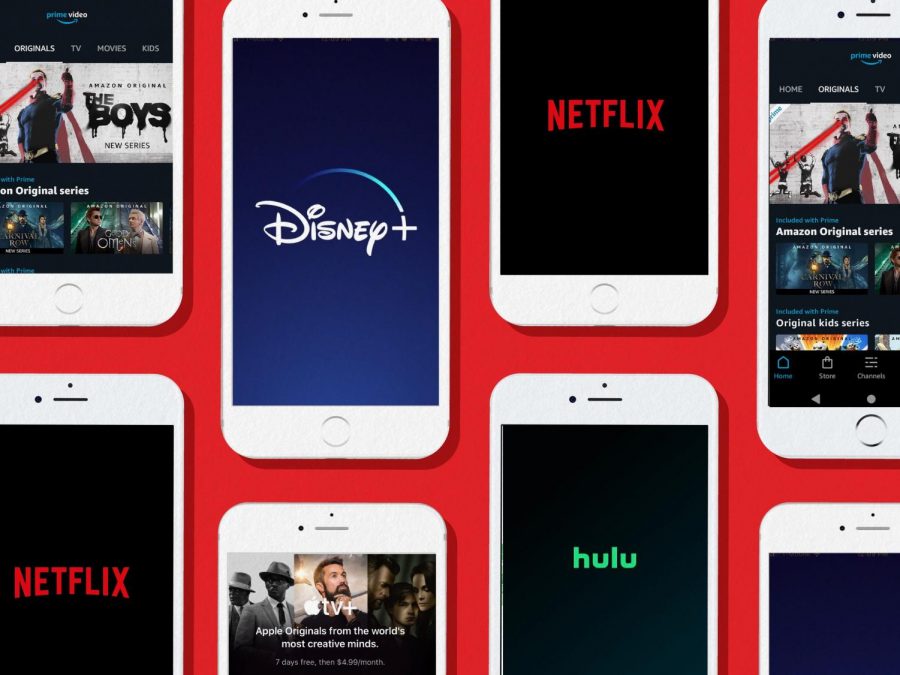
Market evolution and scale: how streaming services changed the entertainment industry
Streaming services changed market dynamics by removing many gatekeepers. Platforms grew fast. They reached global audiences with low marginal cost. This shifted spending, investment, and competition across studios, networks, and tech firms.
Key market shifts
- Rapid subscriber growth drove new investment in original content.
- Global availability allowed shows to find international audiences.
- Consolidation and partnerships reshaped media ownership and access.
My experience working with a streaming launch showed how quickly viewer data can change content priorities. Teams learned to pivot shows based on early metrics rather than rely on long-term network schedules. This altered how executives allocate budgets and measure success.
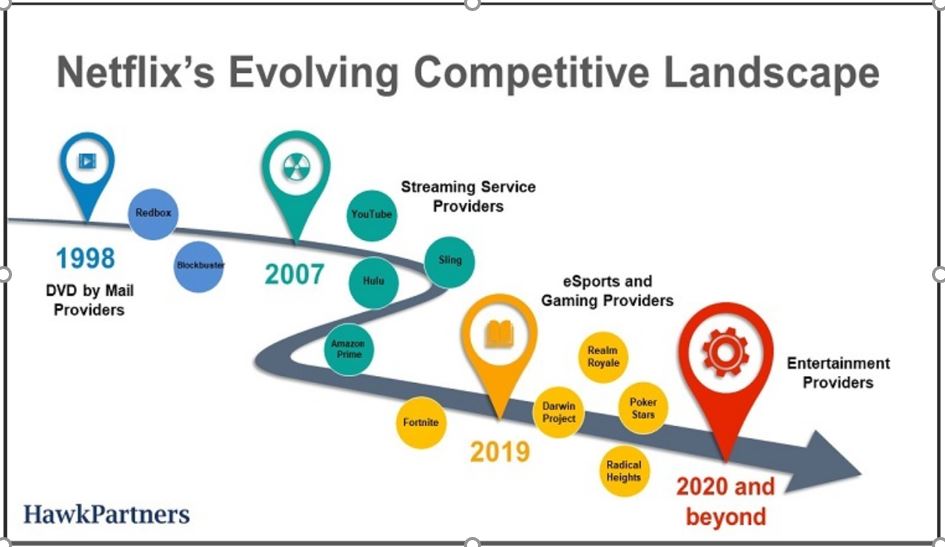
Consumer access and behavior: how streaming services changed the entertainment industry
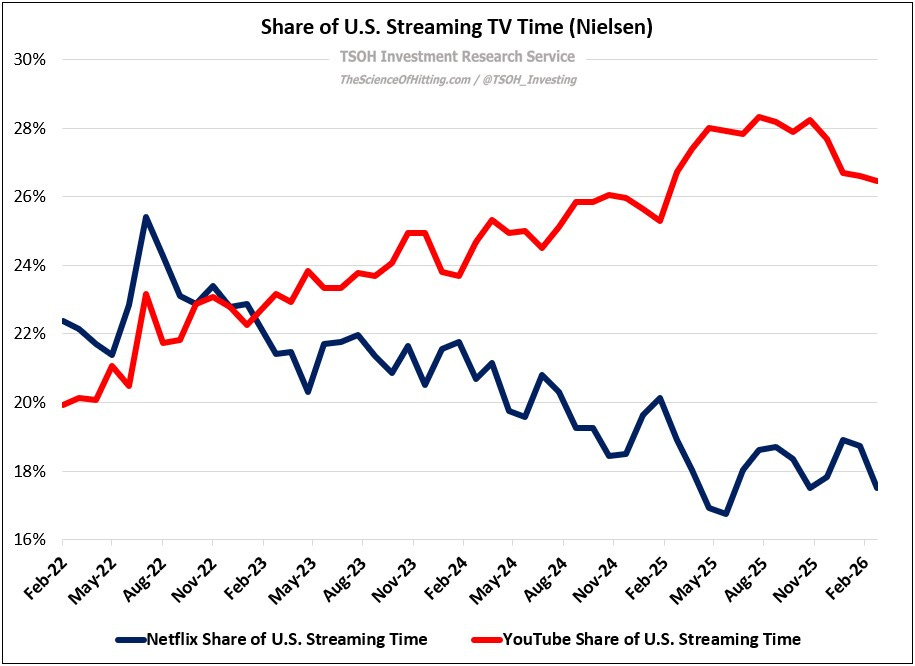
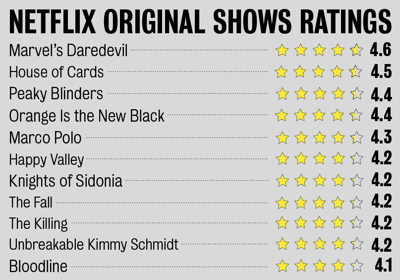
Streaming services changed viewing habits and expectations. Viewers moved from appointment TV to on-demand libraries. Binge watching, device flexibility, and personalized queues became standard.
How behavior shifted
- Viewing anytime and on any device became the norm.
- Search and recommendation replaced network curation for discovery.
- Short-form attention and long-form deep-dive both found niches.
From direct user tests, I saw subscribers value convenience more than lower price alone. They stayed when content matched their routines and tastes. This focus on user experience led platforms to invest heavily in UI and personalization.
Content production and strategy: how streaming services changed the entertainment industry
Streaming services changed how content is made, funded, and released. Platforms now finance originals at scale. They greenlight diverse projects and niche genres that traditional TV would avoid.
Production and strategy changes
- More investment in original series and limited runs.
- Global co-productions and localized content grew.
- Release models varied: weekly, full-season drops, or hybrid.
When I advised creators, I saw streaming free them from strict episode counts. This allowed more creative formats and tighter story arcs. Studios now balance franchises with smaller, unique shows to retain subscribers.
Business models and revenue streams: how streaming services changed the entertainment industry
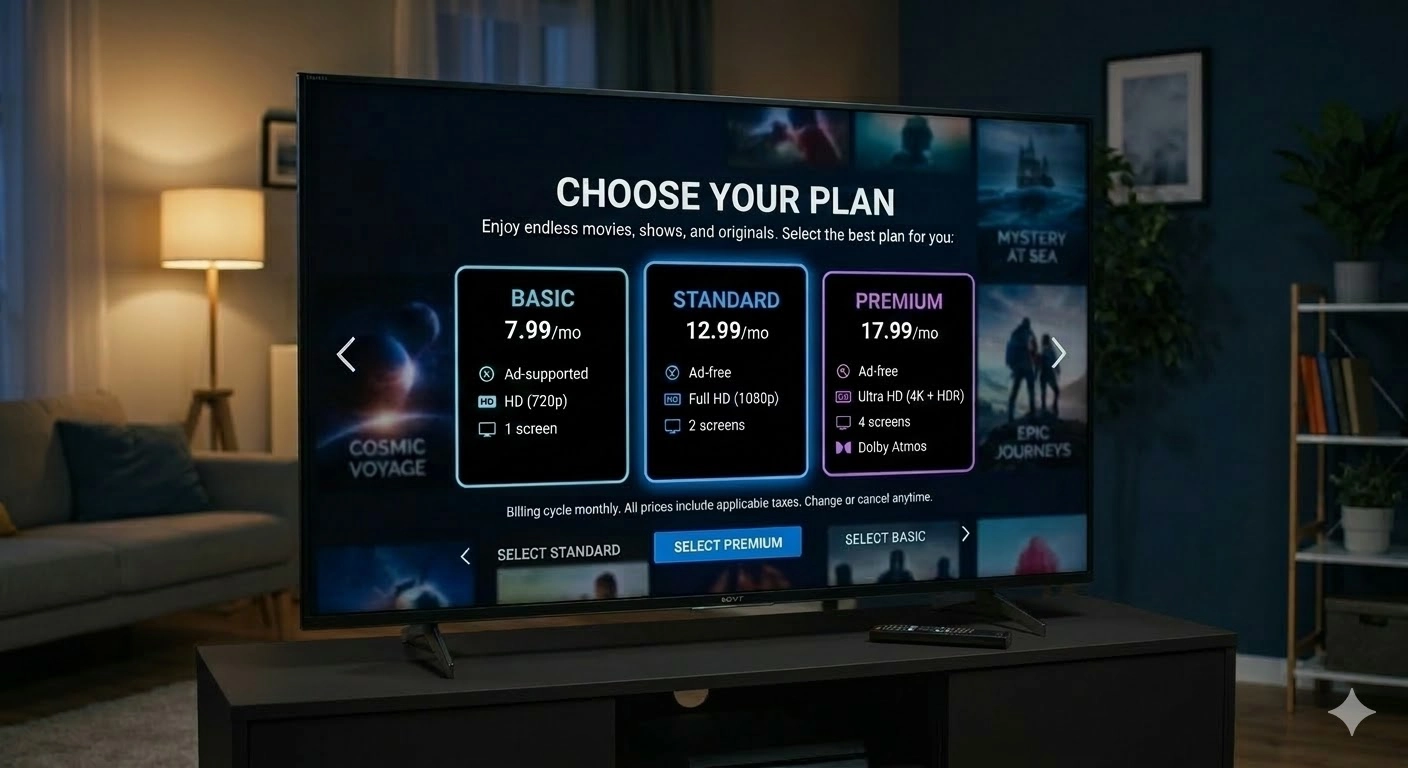
Streaming services introduced new business models beyond ad-driven and ticket sales. Subscription, ad-supported, hybrid, and transactional models coexist. Monetization now blends user fees, advertising, and data-driven upsells.
Primary revenue approaches
- Subscription video on demand (SVOD) for steady recurring income.
- Ad-supported video on demand (AVOD) to reach price-sensitive viewers.
- Transactional VOD (TVOD) for rentals and premium buys.
- Hybrid tiers combining ads and lower subscription fees.
In practice, we tested tiered pricing to find the best mix of ARPU and retention. The right model depends on the audience and content library. Many platforms use flexible tests to optimize pricing and ad loads.
Technology, data, and personalization: how streaming services changed the entertainment industry
Streaming services changed the role of data in media. Platforms collect robust viewer metrics. They use algorithms to recommend, predict churn, and personalize marketing.
Technical and data impacts
- Recommendation engines became central to retention.
- Real-time analytics guide content promotion and language targeting.
- Cloud and CDNs enabled scalable global delivery.
I worked with engineers who used A/B testing to refine thumbnails and episode order. Small design changes delivered large retention gains. Technology now ties product, marketing, and creative teams closer than ever.

Impact on theaters, cable, and creators: how streaming services changed the entertainment industry
The rise of streaming carved new paths for creators and new challenges for theaters and cable. Some theatrical windows shortened. Cable subscriptions declined. Independent creators found new distribution routes.
Effects on stakeholders
- Theatrical releases adapted with premium VOD and shorter windows.
- Cable networks lost viewers and reshaped bundles.
- Independent creators used platforms for discovery and revenue.
From my work with indie producers, streaming offered direct routes to audiences and revenue splits that scale. Yet larger budgets often still require studio or co-financing. Creators must weigh exposure against ownership and revenue terms.
Regulation, challenges, and limitations: how streaming services changed the entertainment industry
Although streaming brought benefits, it also introduced challenges and limits. Market concentration raises antitrust and content moderation questions. Licensing complexity and fragmentation frustrate consumers.
Key challenges
- Platform consolidation can limit competition and bargaining power.
- Global licensing creates region locks and varied catalogs.
- Monetization pressure can lead to churn and content oversaturation.
I have advised companies that faced tough negotiations over rights and windows. Transparency in data sharing and clearer licensing terms help build trust. Policymakers and platforms must balance innovation with fair competition.

Future trends and strategy: how streaming services changed the entertainment industry
Streaming services continue to evolve. Expect more personalization, live and interactive content, and tighter integration with social commerce. Niche platforms may grow even as larger services consolidate.
What to watch
- Growth in ad-supported and lower-cost tiers.
- More international originals and local-language hits.
- Interactive and live formats blending social features with streaming.
A practical tip from my projects: prioritize retention metrics and creative experimentation. Test new formats with small bets. Use viewer data to inform, not dictate, creative choices.

Frequently Asked Questions of How Streaming Services Changed The Entertainment Industry
How did streaming services affect traditional TV networks?
Streaming services shifted viewers to on-demand catalogs. Networks responded by launching their own streaming arms or licensing content to platforms to reach audiences.
Do streaming services help independent creators?
Yes. They provide access to global audiences and new revenue paths. However, creators must negotiate rights and promotional support carefully.
Will streaming replace movie theaters entirely?
Unlikely in the near term. Theaters offer a unique social and premium experience. Streaming complements theaters by expanding access and easing discovery.
How do streaming services make money?
They earn through subscriptions, advertising, rentals, and partnerships. Many use hybrid models to balance revenue and growth.
What are the downsides for consumers?
Fragmentation and subscription costs can be frustrating. Region-locked content and varying libraries also limit seamless access.
Conclusion
Streaming services transformed distribution, content strategy, and viewer expectations across the entertainment industry. They gave viewers control, empowered new creators, and forced legacy players to adapt. As a media professional, I recommend focusing on audience data, flexible monetization, and creative risk-taking. Start small with tests, measure retention, and prioritize content that builds loyalty. Explore these ideas, subscribe to industry updates, or share your experience in the comments to continue the conversation.