


Entertainment shifted from scheduled TV broadcasts to on-demand streaming, reshaping viewing habits and industry models.
I have studied media trends and worked with digital content projects for years, so I can confidently guide you through the forces that shaped The Evolution Of Entertainment From Television To Streaming. This article explains the technical advances, business model shifts, cultural effects, and practical implications of that evolution. Read on for clear analysis, real-world examples, and actionable advice to navigate the modern media landscape.
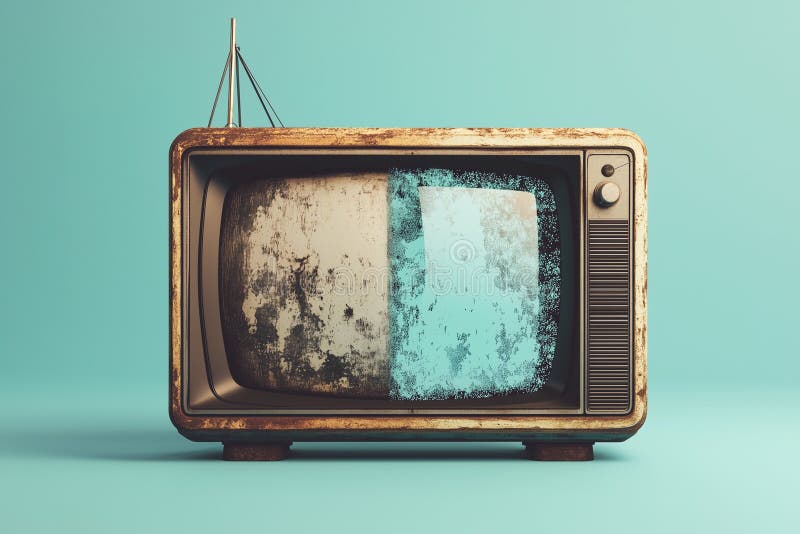
Historical Roots: Broadcast Television and Early Mass Media
Broadcast television created a shared cultural rhythm in the 20th century. Networks scheduled shows for large audiences. The predictable timetable shaped family habits, advertising, and national conversations about news and entertainment.
Television introduced the concept of "appointment viewing" and centralized content control. Public broadcasters and commercial networks curated what millions watched. That centralized model set the baseline for later changes in The Evolution Of Entertainment From Television To Streaming.
The Rise of Cable and Niche Programming
Cable expanded channel choices and introduced targeted content. Specialized networks offered sports, music, news, and genre programming to specific audiences. This shift began to fragment mass audiences and increase viewer choice.
Cable demonstrated that viewers value relevance and options. Advertisers could reach niche groups more effectively. The trend toward segmentation laid groundwork for the on-demand, personalized approach central to The Evolution Of Entertainment From Television To Streaming.
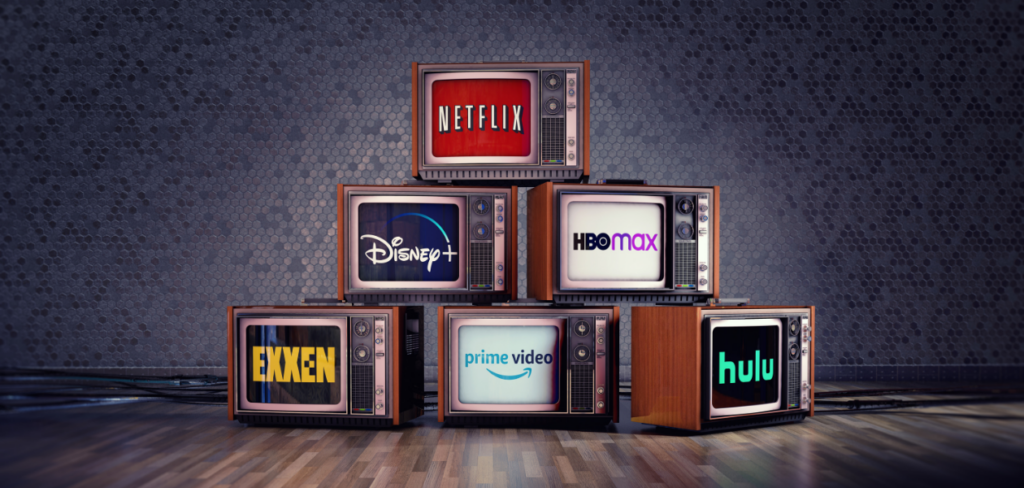
Digital Disruption: From DVRs to Online Video
Digital recording and internet video changed how people kept and accessed shows. DVRs allowed time-shifting. Online platforms introduced clips, uploads, and early streaming experiments.
The internet reduced barriers for creators and viewers. Independent producers found audiences outside traditional gatekeepers. Those innovations accelerated The Evolution Of Entertainment From Television To Streaming by proving that content distribution no longer required a broadcast tower.

The Streaming Era: Business Models and Technology
Streaming combined cloud delivery, smartphone ubiquity, and subscription economics. Services adopted three primary models:
- Subscription video on demand (SVOD) for unlimited access.
- Transactional video on demand (TVOD) for per-title purchases.
- Ad-supported streaming (AVOD) mixing free access with ads.
Content libraries, recommendation engines, and adaptive streaming protocols improved user experience. Streaming platforms also invested in original content to attract and retain subscribers. That strategic change marks a defining stage in The Evolution Of Entertainment From Television To Streaming.
Cultural and Social Impacts
Streaming altered how culture spreads and how communities form around content. Binge-watching changed storytelling rhythms and release strategies. Global distribution enabled local stories to reach worldwide audiences.
Social media amplified fan engagement and turned shows into global events. At the same time, the reduced shared schedule means fewer simultaneous national viewing moments. These shifts are central to understanding The Evolution Of Entertainment From Television To Streaming.
Economic and Industry Shifts
Revenue models moved from linear advertising to subscriptions, hybrid advertising, and licensing deals. Studios, networks, and tech firms renegotiated content value and distribution rights. Smaller creators gained direct monetization routes through platforms and ad networks.
Industry consolidation and competition created both opportunity and instability. Production costs rose for high-end series, while mid-tier projects sought sustainable funding. The business reconfiguration is a financial backbone of The Evolution Of Entertainment From Television To Streaming.
Practical Guide: For Consumers and Creators
Consumers should evaluate platforms by content library, cost, and device compatibility. To manage subscriptions, track usage and prioritize services that match your interests. Use profiles, parental controls, and download features for offline viewing.
Creators should choose distribution models aligned with goals. Consider direct-to-consumer options, platform deals, or hybrid releases. In my work producing short-form documentaries, I learned to test platform audiences early and to repurpose content across channels; that approach reduced risk and increased reach. These tactics reflect pragmatic lessons from The Evolution Of Entertainment From Television To Streaming.
Rights, Regulation, and Ethical Considerations
Copyright, regional licensing, and data privacy shaped platform practices. Geoblocking and rights windows created uneven access across regions. Regulators now examine competition, content moderation, and creator compensation.
Transparency about algorithms and fair payment for creators remain open issues. Audiences and policymakers will influence how platforms balance growth with responsibility. These legal and ethical concerns are part of the broader picture of The Evolution Of Entertainment From Television To Streaming.
Future Trends and Predictions
Expect continued personalization, more interactive formats, and tighter integration of gaming and live events. Ad models will become smarter, with addressable ads and contextual targeting. Consolidation may continue, but niche services will persist for dedicated audiences.
Artificial intelligence will shape recommendations, content creation, and production workflows. The pace of change means that adaptability will be the most valuable skill for industry players and viewers alike. Anticipating these trends is part of preparing for the next phase in The Evolution Of Entertainment From Television To Streaming.
Frequently Asked Questions of The Evolution Of Entertainment From Television To Streaming
What caused the shift from television to streaming?
The shift came from internet bandwidth growth, mobile device adoption, and consumer demand for on-demand viewing. Business models like subscriptions and targeted ads made streaming financially viable.
Is streaming better than traditional television?
Streaming offers greater choice and convenience, while television still provides live events and shared viewing moments. The better option depends on the viewer’s priorities and content needs.
How do content creators benefit from streaming?
Creators gain direct access to global audiences, flexible monetization, and data insights for audience targeting. However, they face increased competition and must manage distribution rights carefully.
Will television networks disappear because of streaming?
Networks are adapting through their own streaming offerings, partnerships, and hybrid models. Traditional broadcasts will persist for live sports, news, and events, though their market share may decline.
How does streaming affect content discovery?
Algorithmic recommendations, curated playlists, and social sharing drive discovery on streaming platforms. This improves relevance but can also create filter bubbles if not managed intentionally.
Can small creators succeed in the streaming era?
Yes, with niche focus, smart distribution, and consistent audience engagement. Small creators should use analytics and cross-platform promotion to grow sustainably.
How does licensing work across streaming platforms?
Licensing involves territorial rights, time windows, and exclusivity terms negotiated between rights holders and platforms. These agreements determine where and when content can stream.
What are the environmental impacts of streaming?
Streaming uses data centers and network energy, contributing to environmental footprints. Improved efficiency, renewable energy use, and optimized encoding can reduce impacts.
How will advertising change with streaming?
Advertising will shift to addressable, personalized formats with better measurement. Privacy rules and user preferences will shape how targeted ads evolve.
Is original content essential for streaming services?
Original content helps platforms differentiate and retain subscribers. High-quality originals can justify subscription fees and build long-term brand value.
Conclusion
The Evolution Of Entertainment From Television To Streaming is a multi-decade story of technology, business model innovation, and cultural adaptation. Viewers gained choice and control while creators found new paths to audiences; industries restructured to compete and collaborate in novel ways. Approach this landscape with curiosity and strategy: test services, track results, and prioritize platforms that align with your goals. Join the conversation, experiment with content, and consider subscribing or commenting to share your experiences and questions about this ongoing transformation.