

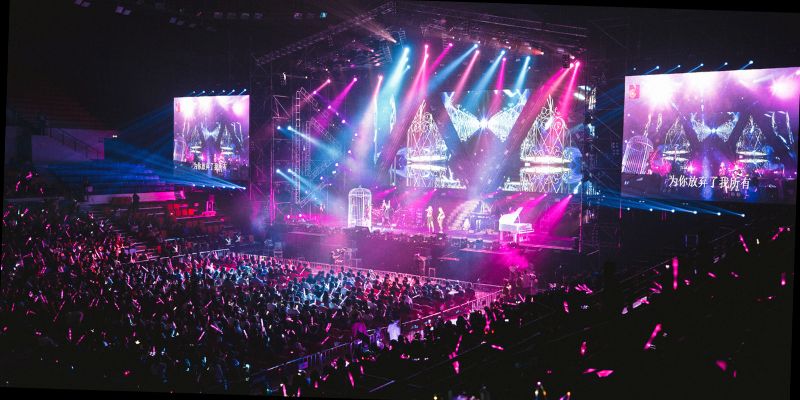
Entertainment evolved from live spectacles to global media industries shaping modern culture worldwide.
I have spent years studying and working with creators, producers, and distributors to understand the forces that shaped The History Of The Entertainment Industry. This article lays out a clear, researched narrative of how entertainment moved from ritual and stage to cinema, radio, television, and streaming. You will find definitions, timelines, business models, cultural impacts, and practical lessons drawn from real experience. Read on to see how The History Of The Entertainment Industry informs today’s media choices and tomorrow’s trends.
Origins and early forms: ritual, story, and spectacle
Human entertainment began with ritual and storytelling. Early communities used dance, song, and drama to pass knowledge. These live forms created social bonds and shaped taste.
The history of the entertainment industry starts here. Street performers, masked ceremonies, and public festivals set the stage for formal theater. Over time, stage craft and audiences grew.

Performance arts and institutionalization
Theater and music became organized professions. Ancient Greece formalized drama. Medieval Europe offered mystery plays. By the Renaissance, opera and court masques showed technical skill.
Boarding houses and city stages became early businesses. The rise of theaters and concert halls helped create audiences who paid for a shared experience. This shift is a major part of The History Of The Entertainment Industry.
.png)
Print, sheet music, and recorded sound
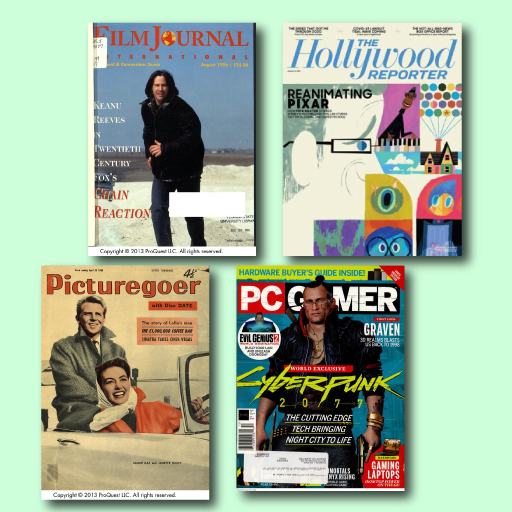
Print technology and sheet music broadened reach. Songs traveled farther and created popular culture. The phonograph and gramophone began recorded sound in the late 19th century.
Record labels and catalogs turned music into a commercial product. Recorded sound changed how people accessed music and changed the economics of entertainment. The History Of The Entertainment Industry includes this recording revolution as a turning point.

Film and the rise of cinema
Cinema emerged in the late 1800s. Short films evolved into feature-length stories. Studios built distribution chains and star systems.
Hollywood became a model for mass entertainment. The studio system shaped production, promotion, and the box office. The History Of The Entertainment Industry is deeply linked to film’s rise and its global storytelling power.

Radio and the broadcast era
Radio turned entertainment into a home experience. Families gathered to hear serials, music, and news. Advertising found a natural home on the air.
Broadcast networks standardized schedules and programs. Radio taught producers how to create appointment listening. This broadcast model later informed television and is an essential chapter in The History Of The Entertainment Industry.

Television, networks, and cultural reach
Television brought visuals into living rooms. Networks controlled content flow and advertisers funded programming. TV shaped public taste and politics.
New formats like reality shows and serialized dramas expanded audience engagement. Television helped global exports like sitcoms and telenovelas, broadening the industry’s reach. The History Of The Entertainment Industry shows TV as central to mass culture.
The digital revolution and streaming transformation
The internet shifted distribution and control. Downloads and streaming unbundled music, film, and TV. Platforms changed how creators reach audiences.
On-demand services disrupted old business models. Algorithms now guide discovery. The History Of The Entertainment Industry continues with streaming as the dominant axis of change.

Business models, economics, and industry structure
Entertainment monetizes attention. Revenue comes from ticket sales, subscriptions, advertising, licensing, and merchandising. Rights management and IP law became vital.
Studios, labels, and platforms balance production costs and audience demand. Independent creators use direct-to-consumer methods. Understanding these models is key to understanding The History Of The Entertainment Industry.

Social, cultural, and political impact
Entertainment reflects and shapes values. Films and music can change attitudes. Representation in media affects identity and policy.
Cultural export builds soft power. Content can promote or challenge norms. The History Of The Entertainment Industry includes these social roles and consequences.
Regulation, labor, and ethics
Governments regulate content, competition, and rights. Labor unions emerged to protect artists and technicians. Ethics around privacy, consent, and representation remain contested.
Strikes and collective bargaining have reshaped contracts. These developments are critical in The History Of The Entertainment Industry’s labor and legal story.
Globalization, diversity, and new markets
Global markets mean local content can become global hits. Diverse voices now find audiences through subtitling, dubbing, and platforms. Markets in Asia, Africa, and Latin America drive growth.
Cross-border collaboration and co-productions expand cultural exchange. This globalization defines the recent arc of The History Of The Entertainment Industry.
Future trends and what to watch
Expect immersive tech, AI-assisted creation, and deeper personalization. Live experiences will coexist with virtual ones. New revenue mixes will combine micro-payments, NFTs, and hybrid events.
From my experience advising creators, adaptability matters more than scale. The History Of The Entertainment Industry teaches that innovation and audience trust determine success.
Practical lessons from working in the industry
Keep rights clear and contracts simple. Build direct relationships with audiences. Invest in small experiments to test formats before large spends.
I learned to value clarity over long proposals. Mistakes to avoid include over-reliance on single platforms and ignoring basic audience data. These are practical takeaways rooted in The History Of The Entertainment Industry.
Frequently Asked Questions of The History Of The Entertainment Industry
What marks the beginning of the entertainment industry?
The industry began when performance and storytelling became paid and organized activities, such as early theaters and paid festivals. Formal venues and monetized performances mark this shift.
How did film change the entertainment industry?
Film created mass visual storytelling and new economic systems like studios and box office metrics. It grew global audiences and standardized production methods.
Why is streaming important in modern entertainment?
Streaming unbundled content and put viewers in control. It changed distribution, measurement, and revenue, shifting power toward platforms and subscribers.
How have labor rights evolved in entertainment?
Artists and crew formed unions to secure wages and benefits. Collective bargaining now shapes contracts, residuals, and working conditions.
What role does technology play in the future of entertainment?
Technology enables new formats, personalization, and distribution. Emerging tools like AI and XR will change how stories are made and consumed.
Conclusion
The History Of The Entertainment Industry is a story of innovation, commerce, and culture. From ritual stages to global streaming platforms, each era reshaped how people find joy and meaning. Takeaway: study audiences, protect your rights, and experiment with new formats. If you found this guide useful, explore more resources, subscribe for updates, or share your thoughts in the comments.