


Global favorites include music, film, television, sports, video games, and social media.
I have spent years studying media trends, attending events, and working with content teams to understand how audiences choose entertainment. This article examines The Most Popular Forms Of Entertainment Around The World with clear analysis, practical examples, and actionable insights. You will get definitions, regional differences, benefits and limits of each form, and real-life guidance on how to engage with them wisely.

Global Overview of Entertainment Consumption
Entertainment shapes culture, social life, and the economy. The Most Popular Forms Of Entertainment Around The World include audiovisual media, live events, interactive formats, and digital communities. Consumption varies by age, income, and region, but a few core patterns repeat globally.
Key global trends:
- Rapid growth of streaming platforms for video and music.
- Rising spend on live events where allowed.
- Massive engagement in video games and social apps.
- Continued relevance of sports as a unifying entertainment form.
Understanding these patterns helps creators, marketers, and consumers make better choices. I will break down each major form and explain why it matters and how to engage with it effectively.
Television and Streaming
Television and streaming lead daily media time in many countries. Traditional TV still matters for live events and news. Streaming services dominate scripted series, documentaries, and on-demand viewing.
Why people choose TV and streaming:
- Easy access to a broad library of content.
- Convenience of watching on demand.
- Original content that drives subscriptions.
Limitations:
- Subscription fatigue as many services compete.
- Regional licensing creates content gaps.
Practical tips:
- Use curated lists and free trials to find shows.
- Combine one or two paid services with free ad-supported options.
The Most Popular Forms Of Entertainment Around The World often center on serialized storytelling and live broadcasts delivered via these platforms.

Film and Cinema
Movies remain a global cultural force. The cinema experience is unique for its scale, sound, and communal atmosphere. Blockbusters, indie films, and local productions each attract different audiences.
Why film persists:
- Shared cultural moments during premieres.
- High production values and immersive storytelling.
- Festivals and awards that spotlight voices and trends.
Challenges:
- Competition from home streaming.
- Production and distribution costs can limit diversity.
Practical example:
- I have attended local film festivals that highlighted regional filmmakers. That experience showed me how film fosters community and cultural preservation.
The Most Popular Forms Of Entertainment Around The World include cinema experiences that blend art, commerce, and social connection.
Music and Live Events
Music is universal and adapts to many formats: recorded tracks, concerts, and festivals. Live shows offer emotional intensity and a shared audience experience.
Why music ranks highly:
- High accessibility via streaming and radio.
- Strong emotional bonding and identity expression.
- Live events provide revenue and social rituals.
Limitations:
- Touring costs and venue restrictions limit access.
- Monetization for artists is uneven.
Practical tip:
- Support local artists by attending small shows or buying merchandise; it keeps scenes healthy.
The Most Popular Forms Of Entertainment Around The World often include music because it travels easily across cultures and platforms.

Sports and Live Sporting Events
Sport draws passionate, global audiences. Live games, broadcasts, and fantasy leagues create multiple ways to engage.
Why sports are dominant:
- Clear competition and rules make it easy to follow.
- Strong local and national loyalties.
- Major events create concentrated global attention.
Drawbacks:
- High costs for live attendance.
- Ethical and political controversies can affect public trust.
Actionable advice:
- Join a fan community to deepen enjoyment. Watching games with others enhances the experience.
The Most Popular Forms Of Entertainment Around The World consistently include sports due to their emotional power and social reach.

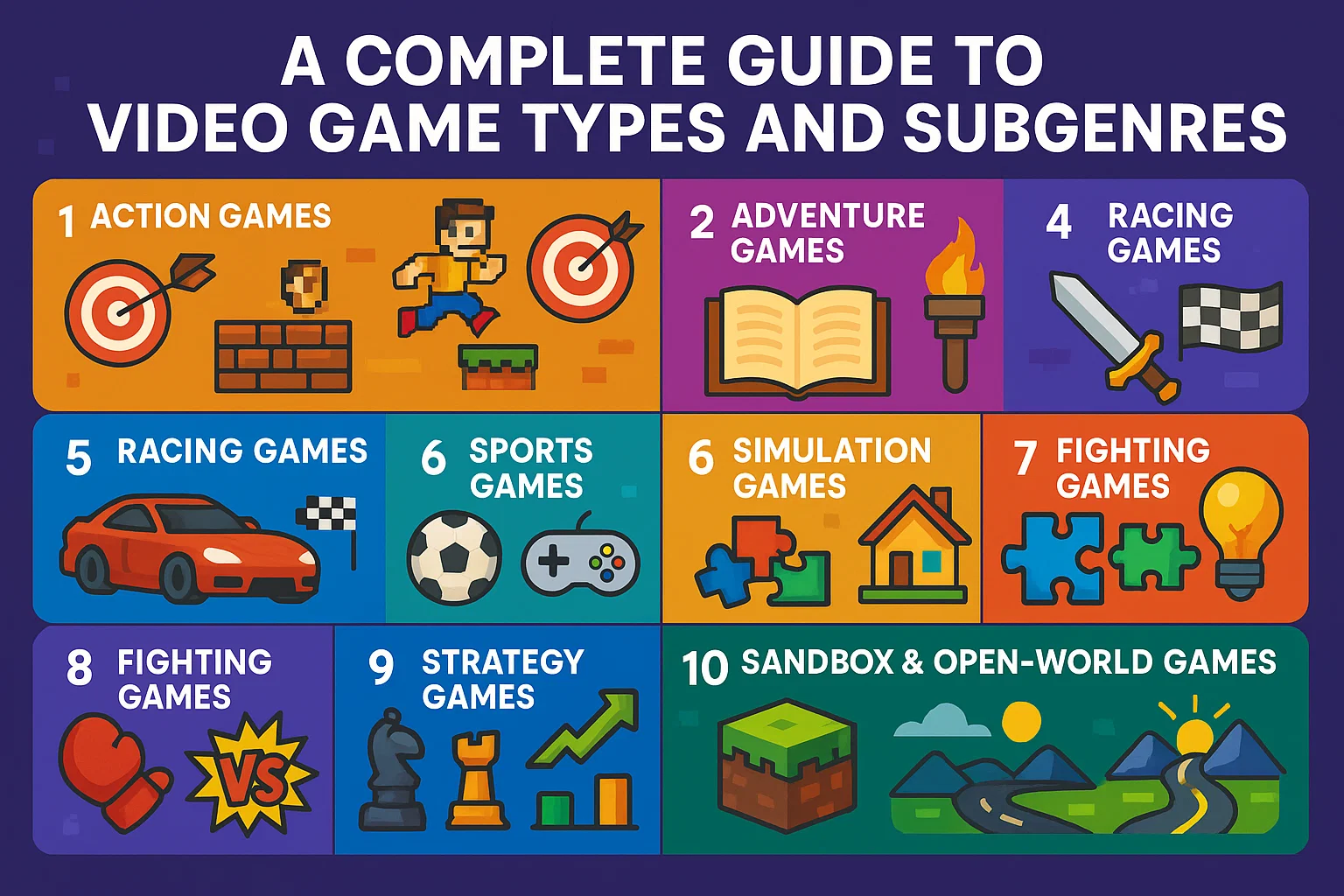
Video Games and Esports
Interactive entertainment has grown into an industry equal to films and music. Video games and esports combine play, storytelling, and social interaction.
Why gaming is rising:
- Interactivity and player choice.
- Social connectivity through multiplayer modes.
- Competitive esports attracts viewership and sponsorships.
Limits:
- Time and potential addiction risks.
- Hardware costs and platform fragmentation.
Personal experience:
- I have moderated community gaming nights and seen how casual play builds friendships and reduces stress when balanced properly.
The Most Popular Forms Of Entertainment Around The World increasingly include games because they offer active participation and measurable progression.

Social Media and Short-Form Video
Short-form video and social platforms changed how people discover entertainment. They deliver instant content and enable creators to reach niche audiences.
Why short-form video matters:
- Bite-sized content fits modern attention spans.
- Viral formats create rapid cultural moments.
- Low production barriers for creators.
Challenges:
- Algorithm-driven feeds can create echo chambers.
- Monetization is inconsistent for many creators.
Practical approach:
- Use platform tools to set time limits and curate feeds intentionally.
The Most Popular Forms Of Entertainment Around The World now often begin on social platforms before spreading to traditional media.

Reading, Podcasts, and Radio
Long-form audio and text remain vital for learning and reflection. Books, podcasts, and radio offer depth and portability.
Benefits:
- Deep dives into topics and storytelling.
- Passive or active consumption on commutes and trips.
- Strong niche audiences and loyal followings.
Limitations:
- Discoverability can be harder without curation.
- Monetization varies by format and audience size.
Tip:
- Subscribe to a few trusted feeds to maintain quality intake and avoid information overload.
The Most Popular Forms Of Entertainment Around The World include reading and audio formats because they satisfy curiosity and provide quiet focus.
Live Theater and Performing Arts
Theater, dance, and traditional performances preserve cultural heritage and offer direct human connection. They remain central to local cultural life.
Why live performance lasts:
- Immediate and ephemeral experiences.
- High artistic craft and community engagement.
- Educational and cultural value for cities and regions.
Constraints:
- Often limited to urban centers with supporting funding.
- Accessibility and cost can be barriers.
Practical idea:
- Attend local performances and school shows; they often offer great value and community insight.
The Most Popular Forms Of Entertainment Around The World continue to value live performing arts for their cultural depth.
Trends, Monetization, and the Future
The entertainment landscape evolves quickly. Streaming, social discovery, and interactive formats shape the future.
Key trends:
- Convergence of media: franchises move across film, games, and social platforms.
- Increased personalization via algorithms.
- Growth of immersive formats like VR and AR.
PAA-style questions:
- How will streaming change traditional TV? Streaming will continue to reduce linear TV viewership, but live events and news will keep traditional channels relevant for specific audiences.
- Are esports as profitable as traditional sports? Esports revenue is growing fast, but it remains uneven across titles and regions; major tournaments and sponsorships drive most profits.
- Will short-form video replace long-form content? Short-form video will coexist with long-form content; each serves different needs—quick discovery versus deep engagement.
Monetization models to watch:
- Ad-supported tiers and microtransactions.
- Direct fan support via subscriptions and memberships.
Limitations and uncertainties:
- Regulatory changes and licensing can shift availability.
- Economic downturns affect discretionary spending on live events.
The Most Popular Forms Of Entertainment Around The World will keep changing as technology and culture evolve. Focus on flexible strategies if you create or market entertainment.
Personal Insights and Practical Lessons
I have worked on content launches and community events. Small choices matter:
- Test content formats with targeted groups before large investments.
- Prioritize community engagement over quick growth.
- Track simple metrics: retention, reuse, and referrals.
Common mistakes to avoid:
- Chasing every trend without audience fit.
- Ignoring local context and cultural nuance.
These lessons help creators and consumers navigate The Most Popular Forms Of Entertainment Around The World more effectively.
Frequently Asked Questions of The Most Popular Forms Of Entertainment Around The World
What drives global popularity for certain entertainment forms?
Global popularity is driven by accessibility, cultural relevance, and technological reach. Platforms that lower barriers to entry and enable sharing tend to grow fastest.
How do demographics affect entertainment choices?
Age, income, and location shape preferences. Younger audiences often prefer interactive and short-form content, while older groups favor long-form and live formats.
Can small creators succeed in this entertainment landscape?
Yes. Niche audiences and direct support channels allow small creators to build sustainable followings when they focus on quality and consistency.
What are the main risks of digital entertainment consumption?
Overuse, privacy concerns, and misinformation are key risks. Balancing screen time and curating reliable sources helps mitigate these issues.
How will technology shape future entertainment choices?
Technology will enable more immersive and personalized experiences through AR, VR, and AI-driven content, while also creating new monetization paths.
Conclusion
This article mapped The Most Popular Forms Of Entertainment Around The World, explaining why each form matters and how to engage with it wisely. The landscape blends tradition and innovation, from cinemas and stadiums to streaming and games. Takeaway: experiment with formats that match your goals, support creators you value, and stay mindful of balance and quality. Explore further resources, subscribe for updates, or share your own experiences in the comments.